
 By admin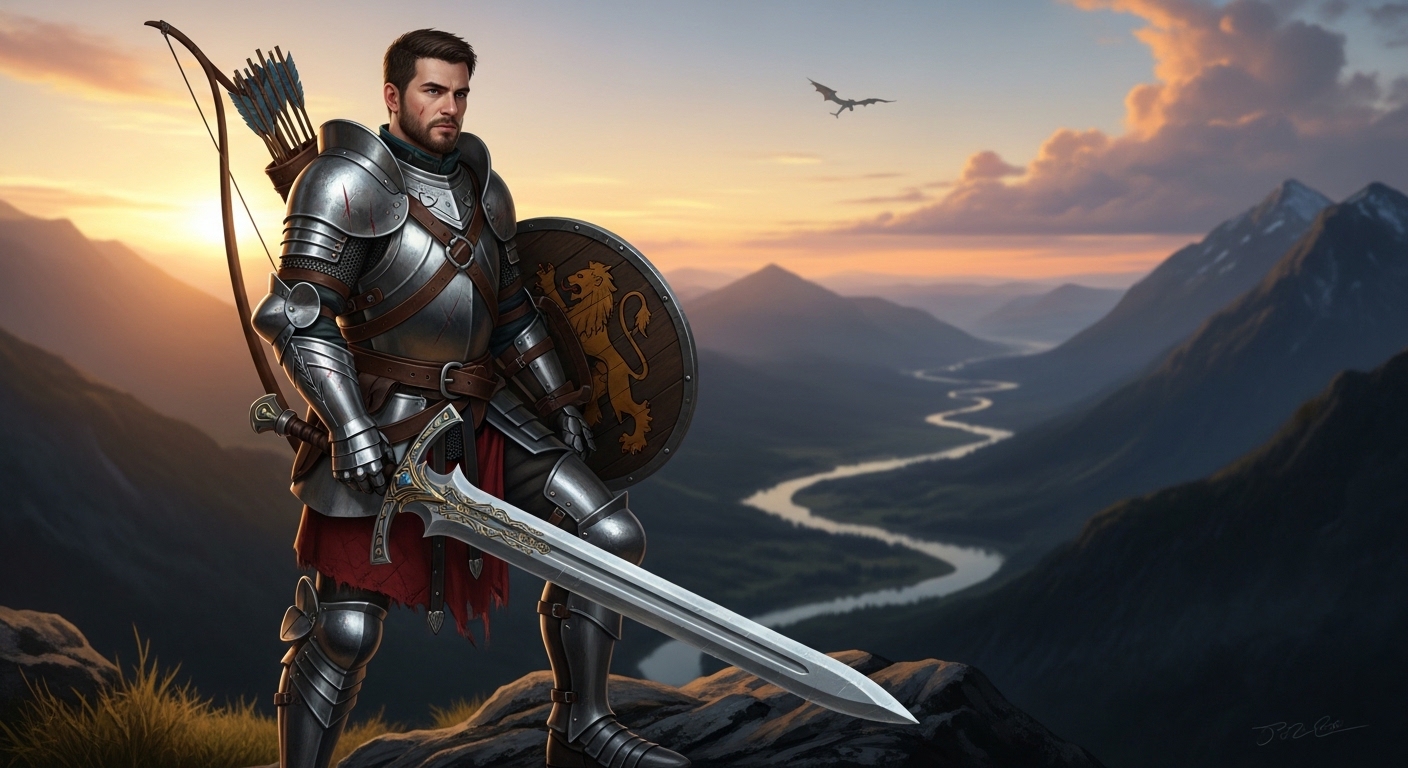
Late one evening, a group of friends gather around a table scattered with character sheets, dice, and notebooks filled with sketches of imaginary worlds. The campaign has reached a critical moment. A dragon guards the entrance to a ruined fortress, and the party must decide how to proceed. The wizard considers a spell, the rogue looks for hidden paths—but at the center of the strategy stands the warrior who has carried the group through countless battles: the fighter 5e.
In the tabletop role-playing game Dungeons & Dragons 5th Edition, the fighter is often seen as the backbone of an adventuring party. Reliable, adaptable, and highly customizable, this class represents the disciplined warrior archetype found in stories across cultures.
Yet the fighter 5e is far more than a simple swordsman. Its design reflects thoughtful game mechanics, strategic flexibility, and the broader philosophy behind modern tabletop game development. For entrepreneurs, technology readers, and creative thinkers, examining this class offers insight into how game systems are built to balance simplicity with depth.
Understanding how the fighter works reveals why it remains one of the most popular choices among players worldwide.
The Design Philosophy Behind the Fighter Class
When game designers created the fighter 5e, they aimed to capture a classic fantasy archetype while ensuring the class remained accessible to both beginners and experienced players.
In many role-playing games, the warrior class represents physical strength, discipline, and battlefield leadership. However, earlier versions of tabletop games sometimes portrayed fighters as mechanically simple compared to magic-using characters.
The design of the fighter 5e changed that perception.
Instead of limiting the class to straightforward attacks, developers introduced flexible abilities that allow players to shape their characters in different directions. A fighter can become a tactical commander, a master archer, a duelist, or even a warrior with magical abilities.
This versatility reflects a broader principle in game design: players should have the freedom to create characters that match their imagination.
Why Fighters Are Popular Among Players
One reason the fighter 5e remains so widely played is its reliability.
In a typical campaign, combat encounters can be unpredictable. Spellcasters may run out of resources, and complex abilities may require careful timing. Fighters, however, offer consistent performance in battle.
Their abilities focus on physical combat skills, allowing them to act effectively in nearly every encounter.
Beyond mechanics, the fighter class also resonates with players who enjoy stories of discipline and personal strength. Unlike wizards or sorcerers, fighters rely on training and experience rather than supernatural power.
This grounded approach makes the class relatable and adaptable to many storytelling styles.
Core Abilities of the Fighter 5e
The fighter 5e class is defined by several key features that enhance combat performance and strategic flexibility.
One of the most important abilities is the concept of multiple attacks. As fighters gain experience, they can strike more than once during a single turn, representing their growing mastery of weapons and combat techniques.
Another defining feature is the ability to recover quickly during battle. Fighters possess abilities that allow them to regain stamina and continue fighting even in difficult situations.
Additionally, the class includes combat specialization options that enable players to tailor their characters toward particular fighting styles.
These mechanics ensure that fighters remain competitive throughout long campaigns.
Fighting Styles and Customization
One of the most interesting aspects of the fighter 5e is the concept of fighting styles.
Rather than forcing every fighter to follow the same combat approach, the game allows players to choose a specialization that reflects their character’s training.
Some fighters focus on defensive techniques, using shields and armor to protect themselves and their allies. Others specialize in archery, mastering ranged attacks with exceptional precision.
Still others adopt a two-weapon style or wield heavy weapons designed for devastating strikes.
This system allows the fighter class to support many different character concepts while maintaining balanced gameplay.
For designers and developers studying game mechanics, this approach demonstrates how flexibility can increase player engagement.
Fighter Archetypes and Subclasses
As characters advance, they gain access to specialized paths known as archetypes or subclasses.
These options dramatically expand the possibilities for the fighter 5e.
Some archetypes emphasize tactical leadership, allowing fighters to command allies and coordinate battlefield strategies. Others focus on raw physical power or exceptional agility.
There are also archetypes that blend martial skill with magical abilities, creating hybrid characters capable of both swordplay and spellcasting.
This layered design ensures that fighters continue evolving throughout the campaign, giving players new abilities and strategic options as their characters grow.
Key Fighter Features at Different Levels
The progression of abilities is one reason the fighter 5e remains engaging over long campaigns. As characters level up, they gain new features that improve their effectiveness in battle.
Below is a simplified overview of major milestones in a fighter’s development.
| Level Range | Major Feature | Gameplay Impact |
|---|---|---|
| Early Levels | Fighting Style and combat specialization | Establishes character identity |
| Mid Levels | Extra attacks and tactical abilities | Increases combat efficiency |
| Advanced Levels | Powerful archetype abilities | Adds strategic complexity |
| High Levels | Exceptional resilience and leadership | Shapes major battle outcomes |
This progression reflects a core principle of game design: gradual growth keeps players motivated and invested in their characters.
Strategy and Team Dynamics
Although fighters excel in combat, their role extends beyond dealing damage.
In many campaigns, the fighter 5e serves as the frontline protector of the party. High durability and combat skills allow fighters to confront enemies directly while other characters focus on support or magical abilities.
This dynamic encourages teamwork.
The rogue may rely on the fighter to hold enemy attention while executing stealth attacks. Meanwhile, spellcasters can position themselves safely behind the fighter’s defensive presence.
Such interactions highlight how tabletop games reward collaboration and strategic planning.
For entrepreneurs interested in game development, this cooperative design illustrates how mechanics can encourage social interaction.
The Narrative Potential of Fighters
While mechanics matter, storytelling remains at the heart of tabletop role-playing games.
The fighter 5e class offers countless narrative possibilities. A fighter might be a former soldier seeking redemption, a knight sworn to protect a kingdom, or a wandering mercenary searching for purpose.
Because fighters rely on training rather than magic, their stories often emphasize personal growth and discipline.
This narrative flexibility makes the class appealing to players who enjoy character development as much as combat mechanics.
It also demonstrates how good game design supports storytelling rather than restricting it.
Lessons for Game Designers and Creators
The enduring popularity of the fighter 5e provides valuable insights for creators in the gaming industry.
First, simplicity does not mean lack of depth. By designing clear core mechanics and adding layers of customization, developers can create systems that welcome new players while satisfying experienced ones.
Second, flexibility encourages creativity. Allowing players to shape their characters in multiple ways increases engagement and replay value.
Finally, balance is essential. Every class in a role-playing game must feel valuable to the group. Fighters succeed because their abilities remain useful in many situations.
These principles apply not only to tabletop games but also to video game design, software development, and product strategy.
The Future of Tabletop Role-Playing
The global popularity of tabletop gaming continues to grow.
Streaming platforms, online play tools, and digital rulebooks have introduced new audiences to games like Dungeons & Dragons 5th Edition. As more players discover the hobby, classic classes such as the fighter 5e remain central to the experience.
Their straightforward concept—an individual who masters combat through discipline and skill—resonates across cultures and storytelling traditions.
As tabletop games evolve with new editions and expanded worlds, the fighter archetype will likely remain a foundational element.
Conclusion: Why the Fighter Still Matters
As the adventuring party finally defeats the dragon and steps into the ancient fortress, the fighter lowers their shield and surveys the battlefield. The victory belongs to the entire team, yet the steady presence of the warrior made the outcome possible.
The fighter 5e class embodies reliability, adaptability, and determination. It reminds players that strength does not always come from magic or extraordinary powers. Sometimes it comes from training, courage, and the willingness to stand at the front when challenges appear.
For gamers, designers, and storytellers alike, the fighter represents a timeless idea: that disciplined skill and strategic thinking can overcome even the greatest obstacles.
In that sense, the fighter’s role in tabletop games reflects a broader truth about creativity and innovation—the strongest foundations often come from simple ideas executed exceptionally well.