
 By admin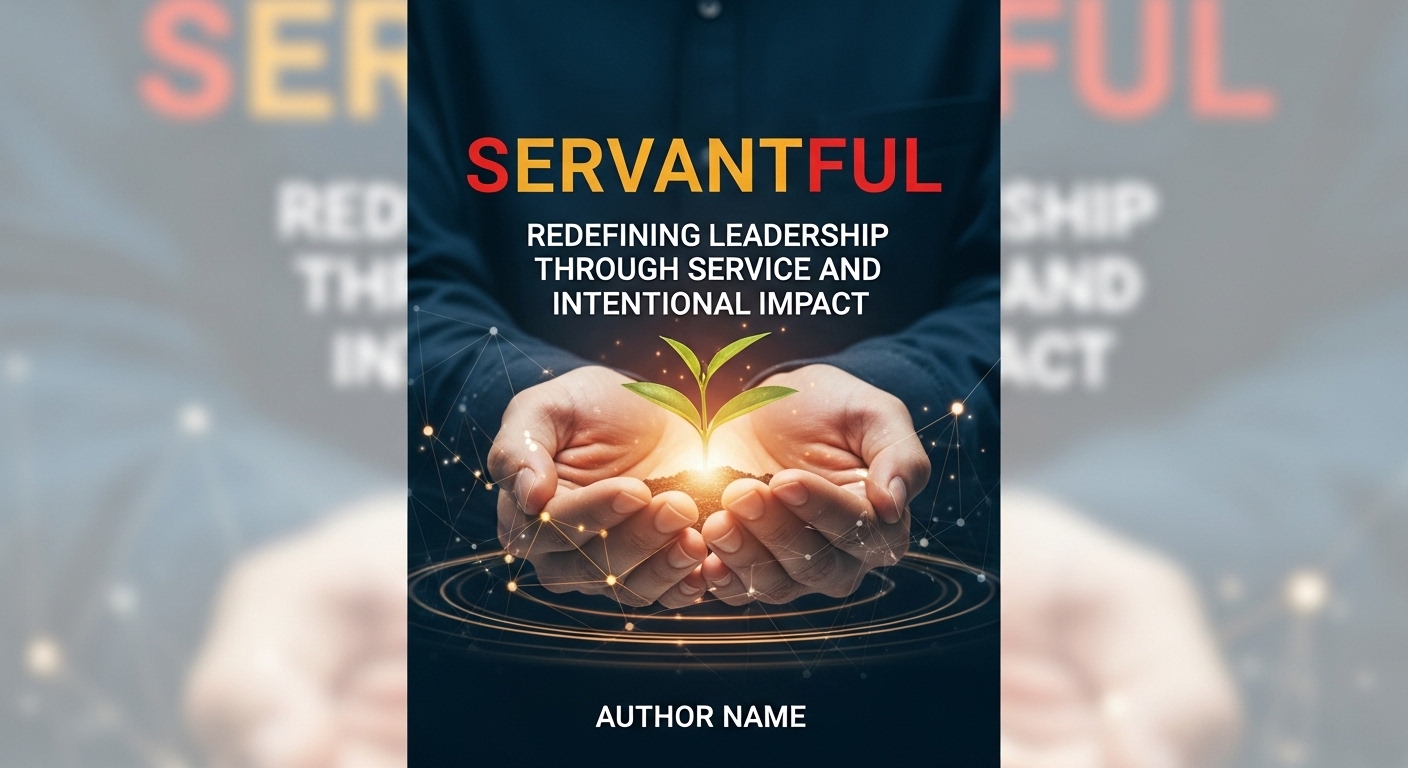
The meeting had already run long. Deadlines were tight, tensions were rising, and the team was visibly exhausted. Then something unexpected happened. Instead of pushing harder, the founder paused, listened, and asked a simple question: “What do you need to succeed right now?” The room shifted. Conversations became more honest, solutions more collaborative. Progress followed—not through pressure, but through support.
This moment captures the essence of servantful leadership.
In an era where speed, scale, and performance often dominate business conversations, servantful thinking introduces a different perspective—one rooted in service, empathy, and long-term impact. For entrepreneurs, tech leaders, and founders, it offers a powerful framework for building resilient teams and sustainable organizations.
Understanding the Concept of Servantful
At its core, servantful describes an approach that prioritizes serving others as a path to achieving collective success. It extends beyond traditional leadership models by placing the needs of the team, customers, and community at the center of decision-making.
While the term may feel modern, the idea itself is deeply rooted in timeless principles.
A servantful mindset is not about relinquishing authority. Instead, it is about using influence to empower others.
In practice, this means creating environments where people feel supported, valued, and motivated to perform at their best.
For founders navigating complex challenges, this approach can transform how teams operate and how organizations grow.
The Shift from Authority to Service
Traditional leadership models often emphasize control, hierarchy, and top-down decision-making.
However, the modern workplace is evolving.
The rise of knowledge work, remote teams, and collaborative environments has shifted expectations.
Employees today seek more than direction—they seek purpose and support.
The concept of servantful leadership aligns with this shift.
It moves away from authority-driven models toward service-oriented leadership.
This does not weaken leadership; it strengthens it.
By focusing on enabling others, leaders can unlock higher levels of engagement and performance.
Servantful Leadership in Practice
What does it actually mean to be servantful in a business context?
It begins with listening.
Leaders who take the time to understand their teams are better equipped to address challenges and create effective solutions.
It also involves removing obstacles.
Instead of directing every action, servantful leaders focus on clearing the path so their teams can succeed.
Support, rather than control, becomes the primary function.
This approach fosters trust, which is essential for high-performing teams.
The Business Case for Servantful Thinking
Adopting a servantful approach is not just a philosophical choice—it is a strategic one.
Organizations that prioritize employee well-being often see improved productivity and retention.
When people feel supported, they are more likely to be engaged and committed.
This translates into better outcomes for the business.
Customer experience also benefits.
Teams that are empowered and motivated are better equipped to deliver high-quality service.
For entrepreneurs, this creates a competitive advantage.
In a crowded market, culture can be a differentiator.
Key Principles of a Servantful Approach
To better understand how servantful leadership works, consider its core principles:
| Principle | Description | Impact |
|---|---|---|
| Empathy | Understanding team needs and perspectives | Builds trust |
| Support | Providing resources and guidance | Enhances performance |
| Empowerment | Enabling autonomy and decision-making | Encourages innovation |
| Accountability | Maintaining clear expectations | Ensures results |
| Growth | Investing in development | Strengthens teams |
These principles create a balanced framework that supports both people and performance.
Servantful Leadership in Tech and Startups
The fast-paced nature of tech and startup environments presents unique challenges.
Deadlines are tight, resources are limited, and the pressure to innovate is constant.
In this context, a servantful approach can be particularly valuable.
By focusing on team well-being, leaders can prevent burnout and maintain productivity.
By encouraging open communication, they can foster creativity and collaboration.
This is especially important in environments where innovation depends on diverse perspectives and rapid iteration.
For founders, servantful leadership can create a culture that supports both speed and sustainability.
Challenges in Adopting a Servantful Mindset
Despite its benefits, adopting a servantful approach is not always easy.
One common misconception is that it implies weakness or lack of authority.
In reality, it requires strength and confidence.
Leaders must be willing to listen, adapt, and sometimes step back.
There is also the challenge of balance.
Serving others does not mean neglecting business objectives.
Effective servantful leadership aligns support with strategic goals.
For entrepreneurs, this requires clarity and discipline.
Servantful Leadership and Organizational Culture
Culture is one of the most important factors in organizational success.
A servantful approach can shape culture in meaningful ways.
It encourages collaboration, transparency, and mutual respect.
Over time, these values become embedded in the organization.
This creates an environment where people are not only productive but also fulfilled.
For startups, building a strong culture early can have long-term benefits.
It influences hiring, retention, and overall performance.
The Role of Servantful Thinking in Customer Experience
Customer experience is another area where servantful thinking can make a difference.
When organizations adopt a service-oriented mindset internally, it often extends to how they تعامل with customers.
The focus shifts from transactions to relationships.
Customers feel valued, understood, and supported.
This can lead to increased loyalty and positive brand perception.
For businesses, this is a powerful outcome.
The Future of Leadership
As the business landscape continues to evolve, the qualities that define effective leadership are changing.
The concept of servantful leadership reflects this transformation.
Future leaders will need to be adaptable, empathetic, and focused on enabling others.
Technology will continue to play a role, but human connection will remain essential.
Organizations that embrace this approach will be better positioned to navigate complexity and change.
Conclusion: Leading Through Service
The idea of servantful leadership challenges traditional assumptions about power and success.
It suggests that the most effective leaders are not those who command, but those who serve.
For entrepreneurs, tech leaders, and founders, this perspective offers a pathway to building stronger teams and more sustainable organizations.
By prioritizing people, fostering trust, and aligning support with strategy, servantful leadership creates an environment where both individuals and businesses can thrive.
In the end, true leadership is not about control—it is about impact.