
 By admin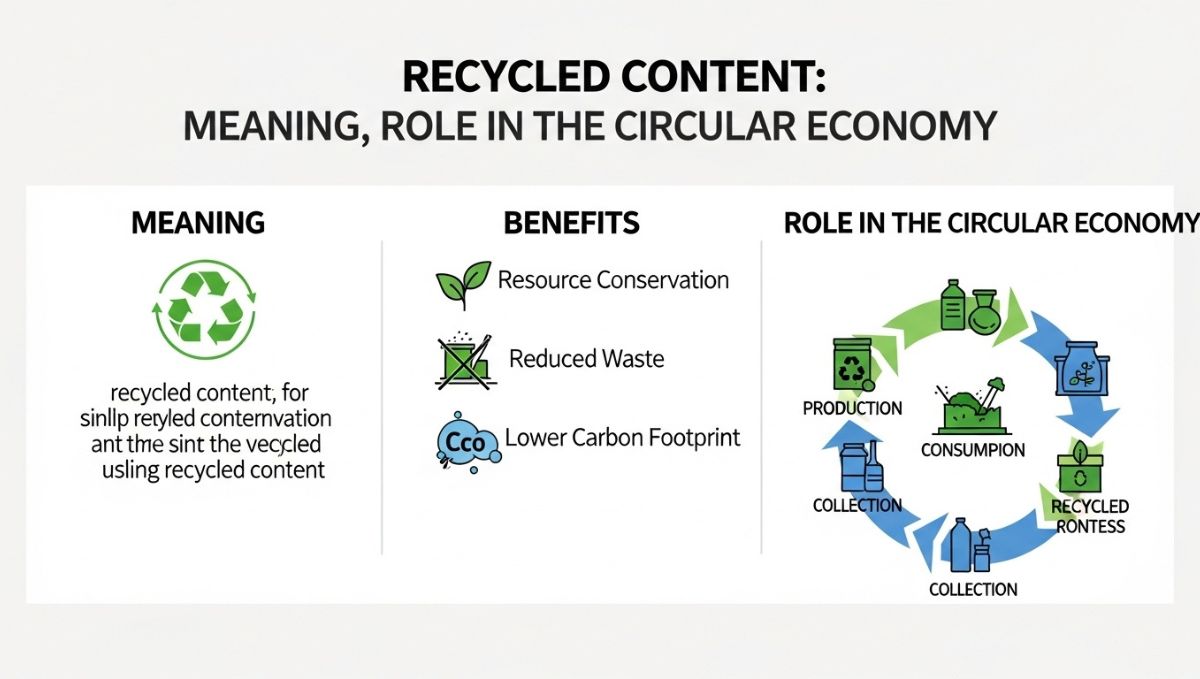
The term recyclatanteil refers to the proportion of recycled material used in a product or packaging. As environmental awareness grows and resources become scarcer, recyclatanteil has become an important metric for businesses, policymakers, and consumers. It indicates how much of a product’s material comes from recycled sources, making it a key factor in promoting sustainability and a circular economy.
A higher recyclatanteil not only reduces waste but also supports responsible resource management and environmental protection.
What Does Recyclatanteil Mean?
Recyclatanteil measures the percentage of a product made from recycled materials. These materials are collected from waste streams, processed, and reintegrated into manufacturing.
Recyclatanteil can apply to:
-
Plastics
-
Metals
-
Paper and cardboard
-
Glass
-
Construction materials
It can be calculated for individual components or the entire product, providing a clear sustainability indicator.
Difference Between Recycled Material and Virgin Material
Recycled material, or “recyclate,” comes from materials that have already been used and processed, while virgin material is produced from raw natural resources.
Using higher recyclatanteil helps:
-
Conserve natural resources
-
Reduce energy consumption in production
-
Lower CO₂ emissions
-
Minimize landfill and waste
This makes recycla tanteil a crucial metric for evaluating environmental impact.
Environmental Importance of Recyclatanteil
Increasing the recycla tanteil directly benefits the environment. By reusing materials, less waste ends up in landfills or incineration plants, and the demand for raw materials decreases.
For example, in the plastic industry, recycla tanteil is critical for reducing pollution and the global environmental footprint. Using recycled plastics instead of virgin plastics helps limit ocean pollution, energy consumption, and greenhouse gas emissions.
Recyclatanteil in Industry
Many industries are integrating higher recyclatanteil into their production processes. Key sectors include:
-
Packaging and consumer goods
-
Automotive manufacturing
-
Construction materials
-
Electronics
Companies often use recycla tanteil not only to comply with regulations but also as part of their sustainability strategies and competitive positioning.
Regulations and Standards
Several countries have legal requirements setting minimum recycl atanteil levels, particularly for plastics and packaging. These regulations aim to:
-
Encourage recycling
-
Reduce environmental impact
-
Promote circular economy practices
Products with certified recyclatanteil demonstrate compliance and environmental responsibility.
Challenges of Using Recycled Materials
While increasing recycla tanteil has clear benefits, it also comes with challenges:
-
Variations in quality and consistency of recycled materials
-
Limited availability of certain recyclates
-
Production process adjustments
-
Costs related to sorting and processing materials
However, innovations in recycling technology are continuously addressing these challenges.
Quality and Safety of Products with Recyclatanteil
Modern recycling methods allow high-quality recyclates that meet performance and safety standards. Products with substantial recycla tanteil can match the durability and functionality of those made with virgin materials, provided proper quality controls are in place.
Transparent labeling and material traceability further ensure consumer confidence in recycled products.
Recyclatanteil and Consumer Awareness
Consumers increasingly consider sustainability when making purchasing decisions. Products with higher recycla tanteil are often perceived as environmentally friendly. Clear labeling helps buyers make informed choices and supports brand credibility.
Brands that communicate their recycla tanteil effectively gain trust and market advantage.
The Future of Recyclatanteil
The importance of recycla tanteil is expected to grow in the coming years due to:
-
Advances in recycling technology
-
Stricter environmental regulations
-
Rising consumer demand for sustainable products
The long-term goal is to design products that are fully recyclable, increasing recyclatanteil and creating closed-loop systems that minimize waste.
Conclusion
Recyclatanteil is a key measure of sustainable product design and circular economy practices. It reduces environmental impact, conserves resources, and promotes responsible production.
As regulations tighten and consumers demand greener products, recyclatanteil will become an even more critical metric. Companies that prioritize high recycla tanteil not only contribute to environmental protection but also gain a competitive advantage in the evolving marketplace.