
 By admin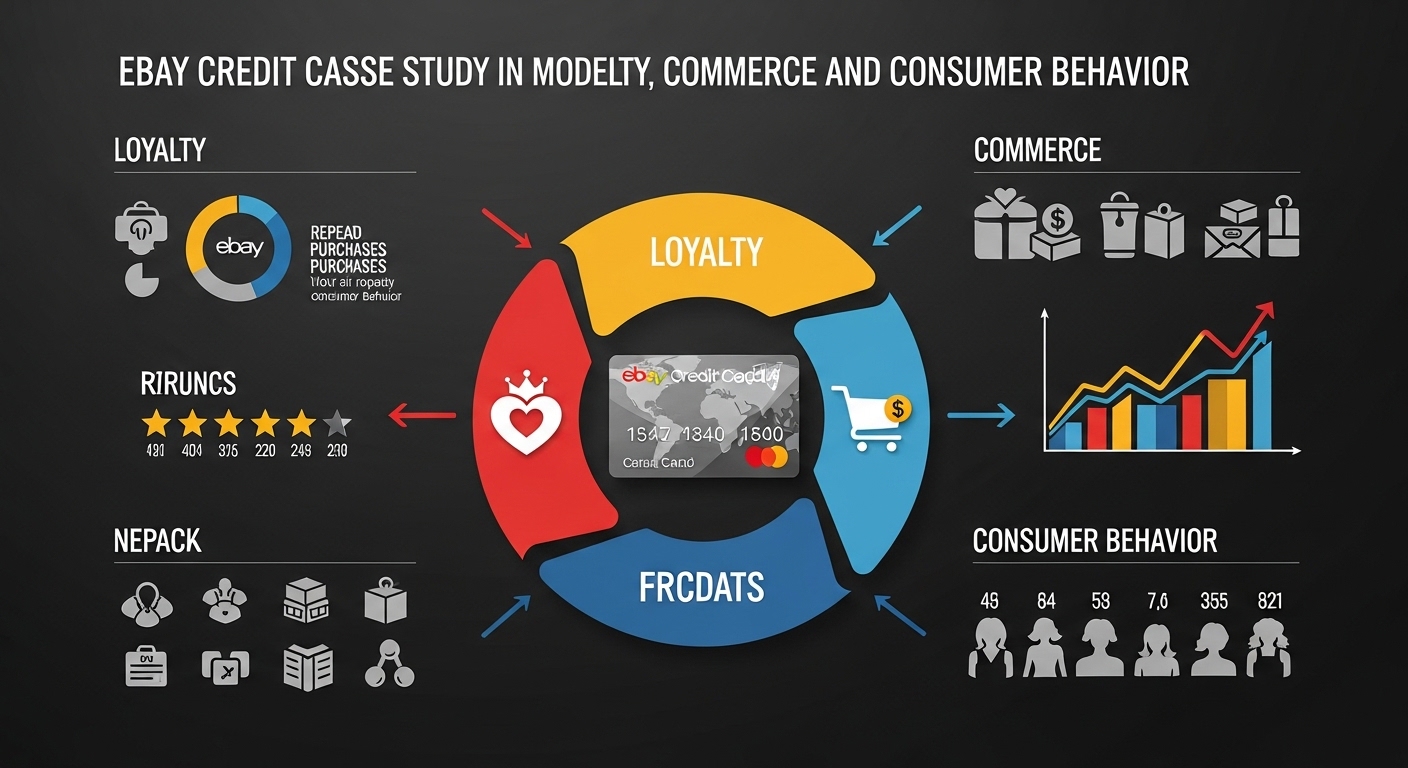
It often starts with a small purchase. A founder, scrolling late at night, spots a vintage gadget or a rare book—something niche, something meaningful. The checkout process is quick, almost frictionless. But what makes the experience stick isn’t just the product; it’s the ecosystem around it. This is where the idea of an eBay credit card enters the picture—not as a simple payment method, but as a strategic extension of digital commerce.
For entrepreneurs and tech-minded readers, the concept of a branded credit card tied to a marketplace like eBay offers a deeper story. It’s about loyalty, data, behavioral economics, and how financial tools are becoming embedded into user experiences.
The Evolution of Marketplace Financing
E-commerce platforms have evolved far beyond their original purpose. What began as simple buying and selling hubs are now complex ecosystems that integrate payments, logistics, and financial services. The eBay credit card is part of this evolution.
By offering a co-branded financial product, platforms create a tighter loop between spending and engagement. Users don’t just shop—they earn rewards, track purchases, and build a relationship with the platform itself.
This model reflects a broader trend in fintech: the blending of commerce and finance. Companies are no longer relying solely on external payment providers; they are building their own financial layers to capture more value and deepen customer relationships.
What Is an eBay Credit Card?
An eBay credit card is typically a co-branded financial product offered in partnership with a banking institution. It allows users to make purchases both on and off the platform while earning rewards tied to their activity.
These rewards often come in the form of points, cashback, or discounts that can be redeemed within the marketplace. The goal is simple—encourage repeat engagement while offering tangible benefits to the user.
But beyond rewards, the card serves another purpose: data. Every transaction provides insights into user behavior, preferences, and spending patterns. For a platform like eBay, this information is invaluable.
The Business Logic Behind It
From a business perspective, introducing a credit card is not just about payments—it’s about ecosystem control. By integrating financial services, platforms can reduce reliance on third parties and create a more seamless user experience.
Here’s how the model typically works:
| Component | Role in the Ecosystem |
|---|---|
| Co-Branded Card | Extends the platform into everyday spending |
| Rewards System | Incentivizes repeat purchases and user loyalty |
| Data Collection | Provides insights into consumer behavior |
| Revenue Sharing | Generates income through interest and transaction fees |
| User Retention | Strengthens long-term engagement with the platform |
This structure highlights a key principle: financial products are not standalone—they are deeply integrated into broader business strategies.
The Psychology of Rewards
One of the most powerful aspects of an eBay credit card is its reward system. At first glance, cashback or points may seem like simple incentives. In reality, they tap into deeper psychological drivers.
People are more likely to return to a platform where they feel they are gaining additional value. Even small rewards can create a sense of progress and satisfaction. Over time, this builds habit.
For founders, this is a valuable lesson in behavioral design. Incentives don’t need to be large to be effective—they need to be consistent and meaningful.
Real-World Relevance for Entrepreneurs
The concept of a marketplace-linked credit card extends beyond e-commerce. It reflects a broader shift toward embedded finance, where financial services are integrated directly into user experiences.
For startups, this opens new possibilities. Instead of treating payments as a backend function, they can be reimagined as a core feature. Whether it’s through subscriptions, digital wallets, or co-branded cards, the goal is the same: reduce friction and increase engagement.
The eBay credit card serves as a real-world example of how this strategy can be implemented at scale.
Risks and Considerations
While the benefits are clear, there are also risks to consider. Credit products inherently involve financial responsibility, both for the provider and the user. Mismanagement can lead to debt, regulatory challenges, and reputational issues.
For platforms, this means navigating a complex landscape of compliance, security, and user trust. Transparency becomes critical. Users need to understand terms, interest rates, and potential risks.
From a strategic standpoint, this reinforces the importance of balance. Growth should not come at the expense of user well-being.
Competition in the Fintech Space
The introduction of products like the eBay credit card places e-commerce platforms in direct competition with fintech companies and traditional banks. This convergence is reshaping the financial landscape.
Tech companies bring agility and user-centric design, while financial institutions offer stability and regulatory expertise. Partnerships between the two are becoming increasingly common, combining strengths to create hybrid solutions.
For entrepreneurs, this signals a shift in where opportunities lie. The boundaries between industries are blurring, creating space for innovation at the intersection.
The Role of Data and Personalization
Data is at the heart of any modern financial product. With an eBay credit card, every transaction contributes to a richer understanding of the user. This data can be used to personalize offers, recommend products, and optimize the overall experience.
However, this also raises important questions about privacy and ethics. How much data should be collected? How should it be used? And how can platforms ensure that users feel secure?
These are not just technical questions—they are strategic ones. Trust is a competitive advantage, and maintaining it requires careful decision-making.
Looking Ahead: The Future of Embedded Finance
The trajectory of products like the eBay credit card points toward a future where financial services are seamlessly integrated into everyday platforms. Payments, lending, and rewards will become invisible layers within digital experiences.
For users, this means greater convenience. For businesses, it means new revenue streams and deeper engagement. But it also requires a higher level of responsibility.
As technology continues to evolve, the challenge will be balancing innovation with trust. The platforms that succeed will be those that prioritize both.
Conclusion: More Than a Payment Tool
The eBay credit card is not just a financial product—it’s a strategic extension of a digital ecosystem. It illustrates how commerce, technology, and finance are converging to create new forms of value.
For entrepreneurs and tech leaders, the lessons are clear. Think beyond transactions. Focus on experience. Use data responsibly. And most importantly, build systems that align with user needs rather than simply extracting value.
In a world where competition is constant and attention is limited, the ability to create meaningful, integrated experiences will define the next generation of successful platforms.