
 By admin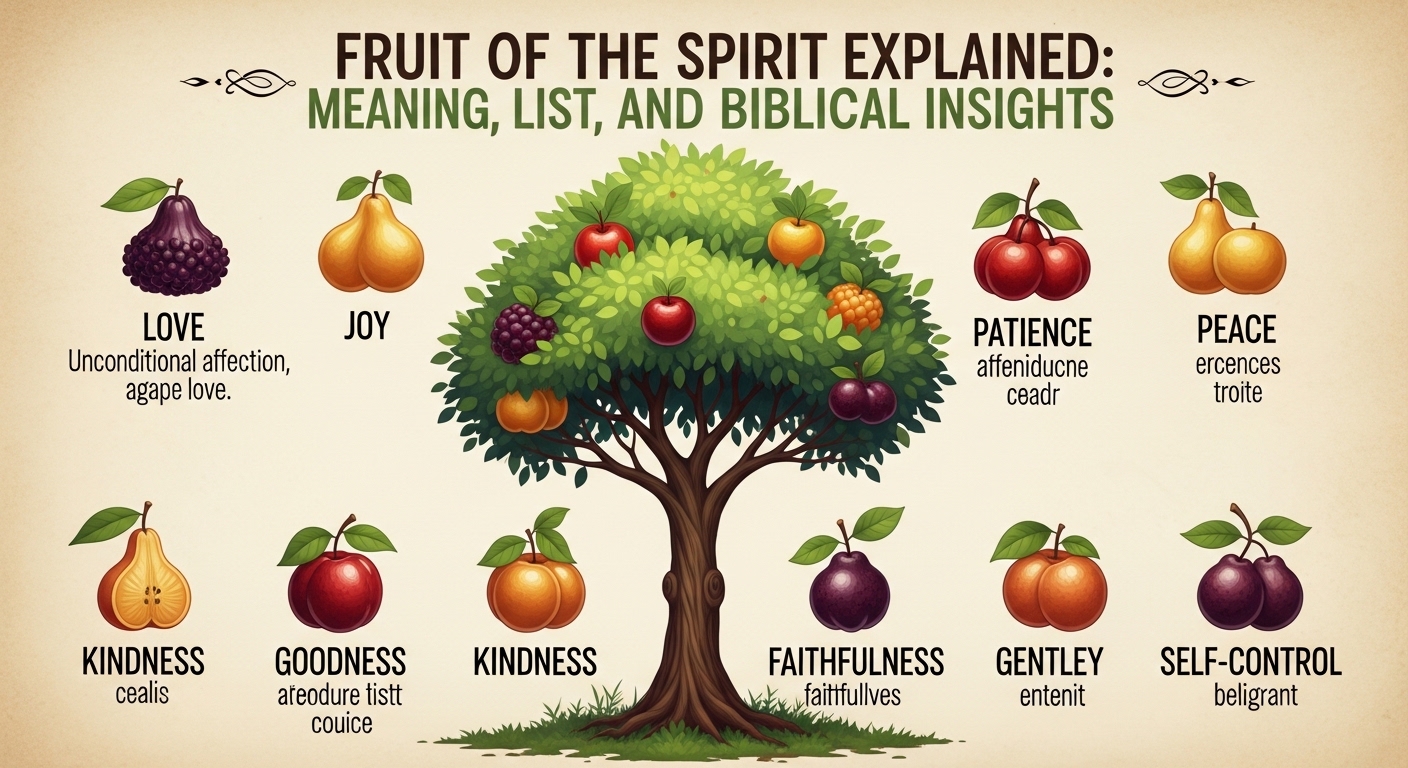
Have you ever felt a tug on your heart, nudging you towards kindness or peace? That gentle prompting is often linked to the concept of the fruit of the spirit. This biblical principle offers profound insights into how we can live out our faith in practical ways. But what does it truly mean? And how can these qualities transform our daily lives?
The fruit of the spirit isn’t just an abstract idea; it’s a call to action for anyone seeking deeper connections with others and God. In this post, we’ll explore its meaning, list each of its nine components, and provide actionable tips for cultivating this vital aspect of Christian living. Whether you’re familiar with scripture or simply curious about spiritual growth, you’ll find inspiration here that resonates deeply within your soul. Let’s dive in!
The Meaning and Origin of the Fruit of the Spirit
The term “Fruit of the Spirit” originates from Galatians 5:22-23 in the New Testament. This passage outlines nine distinct attributes that manifest in the lives of believers who live by the guidance of the Holy Spirit.
Each “fruit” represents a characteristic that reflects God’s nature and love. Rather than being individual traits, they work together to create a holistic expression of spiritual maturity.
The concept emphasizes transformation rather than self-effort. It’s about allowing divine influence to shape one’s character over time.
Historically, early Christians believed these fruits were evidence of one’s faith and relationship with God. They served not just as moral guidelines but as markers of a vibrant spiritual life infused with grace and purpose.
List of the Nine Fruits of the Spirit
The Fruit of the Spirit consists of nine distinct attributes that reflect a life transformed by faith. Each fruit is essential for spiritual growth and harmony within communities.
Love stands first, embodying selfless care for others. It’s the foundation upon which all relationships should be built.
Joy follows closely, representing an inner delight that transcends circumstances. This joy springs from a deep connection with God.
Peace comes next, offering tranquility amid chaos. It’s a calming presence in turbulent times.
Patience allows us to endure challenges without frustration. It teaches us grace in difficult moments.
Kindness manifests through compassionate actions toward others. A simple act can create ripples of positivity.
Goodness reflects moral integrity and a sincere heart focused on doing right by others.
Faithfulness represents steadfast loyalty and reliability in our commitments.
Gentleness encourages humility and soft responses rather than harsh reactions.
Self-control empowers individuals to master impulses and desires, leading to healthier choices.
Biblical Insights and Interpretations
The Fruit of the Spirit is deeply rooted in Scripture, primarily found in Galatians 5:22-23. Here, Paul lists nine attributes that reflect a life transformed by the Holy Spirit.
Each fruit reveals a different aspect of God’s character. Love stands at the forefront, emphasizing selflessness and compassion. Joy follows closely, reminding believers that true happiness transcends circumstances.
Peace isn’t merely an absence of conflict; it encompasses inner tranquility as well. Patience encourages us to endure life’s trials with grace and understanding.
Kindness and goodness challenge us to act positively toward others while faithfulness reflects unwavering loyalty to God and His promises. Gentleness invites humility into our interactions, while self-control empowers individuals to resist temptations.
Understanding these insights offers rich layers for personal growth and community living within a faith context. Each quality serves not just as individual traits but as interconnected elements fostering spiritual maturity.
How to Cultivate and Grow in the Fruit of the Spirit
Cultivating the fruit of the spirit requires intentional effort and a desire for growth. Start by engaging with scripture daily. This practice helps you understand God’s word and its application in your life.
Prayer is essential too. It opens channels for guidance, clarity, and strength. Connecting with God can encourage personal transformation.
Surround yourself with supportive community members who embody these traits. Their influence can inspire you to embrace love, joy, peace, and patience more fully.
Practice mindfulness in your interactions. Reflect on how your words and actions align with each fruit of the spirit throughout the day.
Serve others whenever possible. Acts of kindness not only enrich those around you but also deepen your own experience of spiritual growth as you live out these virtues actively.
Examples of Individuals Who Exemplified the Fruit of the Spirit
Throughout history, many individuals have embodied the Fruit of the Spirit. Their lives serve as powerful examples for us all.
Mother Teresa is a beacon of love and kindness. Her unwavering compassion for the poor and sick illustrates selflessness in action. She dedicated her life to serving others, showcasing gentleness and joy even in adversity.
Another remarkable figure is Martin Luther King Jr. His commitment to peace amidst turmoil exemplified patience and faithfulness. He inspired millions with his vision of equality through nonviolent means, reflecting goodness at its core.
Then there’s Nelson Mandela, who demonstrated extraordinary perseverance amid hardship. His ability to forgive those who wronged him shows profound kindness and long-suffering.
These individuals remind us that living out the Fruit of the Spirit can transform communities and inspire change across generations. Their legacies continue to motivate countless souls on their spiritual journeys today.
Conclusion
Living by the fruit of the Spirit is more than just a guideline; it’s a transformative journey. Each fruit represents qualities that not only enhance personal growth but also positively affect those around us. Love, joy, peace, patience, kindness, goodness, faithfulness, gentleness, and self-control create an atmosphere of harmony in our relationships.
When we embody these traits, we reflect the character of Christ. This reflection can inspire others to seek out their own spiritual paths and develop deeper connections within their communities. The impact reaches far beyond individual lives—it can change families, workplaces, and neighborhoods.
Moreover, cultivating these fruits helps individuals navigate life’s challenges with grace and resilience. It equips us to handle conflicts peacefully and encourages acts of kindness even in difficult situations.
Embracing the fruit of the Spirit allows us to live authentically and purposefully. It aligns our actions with our beliefs while fostering a sense of unity among diverse groups. As we grow in these virtues over time, we become beacons of hope for others seeking guidance on their spiritual journeys.
The importance lies not just in personal enrichment but also in creating a better world filled with compassion and understanding through living out these timeless principles.