
 By admin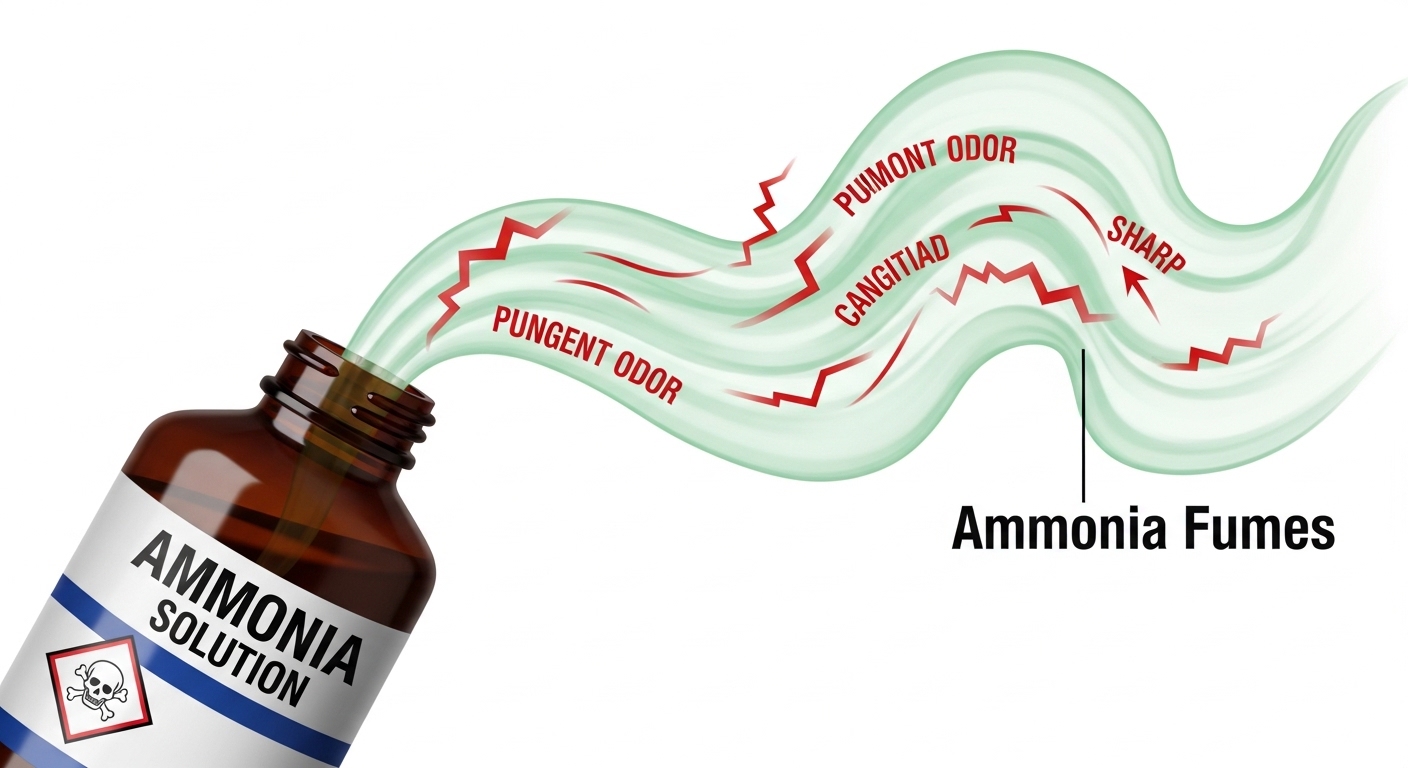
Have you ever caught a whiff of something so sharp and penetrating that it made your eyes water? That pungent scent is often linked to ammonia. This strong smelling compound isn’t just an unpleasant surprise in the air; it plays a vital role in various industries and households. From cleaning products to fertilizers, ammonia has a wide range of applications. But what exactly does ammonia smell like, and why can its odor be so overwhelming? Let’s dive into the science behind this notorious scent and uncover its common sources, health implications, and ways to eliminate it from our spaces.
The Chemical Makeup of Ammonia and Why it Smells
Ammonia is a simple compound with the chemical formula NH₃. It consists of one nitrogen atom and three hydrogen atoms. This unique structure plays a crucial role in its distinctive properties.
The pungent smell often associated with ammonia arises from its volatility. When ammonia gas enters the air, it quickly disperses, creating an intense odor that can be easily detected even at low concentrations.
This strong scent is due to the way ammonia interacts with sensory receptors in our noses. The human nose is particularly sensitive to ammonia, which acts as a warning signal for potential hazards in higher concentrations.
Many people describe the smell as sharp and biting, reminiscent of cleaning products or urine. Understanding this chemical makeup helps explain why such a small amount can produce such an overpowering scent.
Common Sources of Ammonia Odor
Ammonia odor can often be traced back to various sources in our everyday environments. One of the most common culprits is household cleaners. Many cleaning products contain ammonia due to its effectiveness in breaking down dirt and grease.
Another frequent source is fertilizers used in gardening. Ammonia is a key ingredient, especially in nitrogen-rich formulations, which can lead to noticeable smells when applied.
Pet owners may also recognize ammonia odors from urine. Cat litter boxes are notorious for this pungent scent, particularly if not cleaned regularly.
Additionally, certain industries produce ammonia as a byproduct. Manufacturing facilities and wastewater treatment plants can emit strong ammonia odors that drift into nearby residential areas.
Decomposing organic matter such as food waste or animal remains can release ammonia gas during breakdown processes. Each of these sources contributes uniquely to the unmistakable smell of ammonia we sometimes encounter.
Health Effects of Exposure to Ammonia
Exposure to ammonia can have various health impacts, particularly on the respiratory system. Inhalation of even small amounts may cause irritation of the eyes, nose, and throat. Symptoms often include coughing and a burning sensation.
Individuals with pre-existing respiratory conditions like asthma may be more vulnerable. For them, exposure could trigger severe attacks or complications.
High concentrations are more dangerous. Prolonged inhalation can lead to serious lung damage and even pulmonary edema. This condition involves fluid accumulation in the lungs, making breathing difficult.
Skin contact is also an issue; it can result in burns or rashes depending on the concentration level. Those working in environments where ammonia is prevalent should take precautions seriously to mitigate these risks effectively.
Awareness of symptoms is key for anyone who might encounter this potent chemical regularly. Prompt action can help minimize potential harm from exposure.
Tips for Identifying and Eliminating Ammonia Odors
To identify ammonia odors, start by using your nose. A strong, sharp smell often indicates its presence. Check areas where cleaning products or fertilizers are stored.
Ventilation is key. Open windows to help disperse the scent and improve air quality in your space.
If you suspect a leak from appliances like refrigerators or water heaters, look for signs of moisture or corrosion near connections. These could indicate an issue that needs addressing.
For elimination, white vinegar can neutralize ammonia smells effectively. Simply mix equal parts vinegar and water in a spray bottle and apply it to the affected area.
Baking soda also works wonders as an absorbent agent. Sprinkle it on carpets or surfaces where the odor lingers, let it sit for a few hours, then vacuum it up to reveal fresher air.
Regular maintenance of household items can prevent future occurrences of those pungent odors too.
Alternative Solutions for Removing Ammonia Smells
When dealing with ammonia odors, natural alternatives can be surprisingly effective. Activated charcoal is one such option. It absorbs unpleasant smells and purifies the air in a matter of hours.
Baking soda is another handy solution. Sprinkling it on affected areas or placing bowls around your space can neutralize odors without harsh chemicals.
Vinegar, despite its strong scent, works wonders too. A mixture of vinegar and water sprayed lightly in the air helps break down those pungent particles.
Essential oils like lavender or tea tree oil also provide a pleasant aroma while masking ammonia’s harshness. Just mix a few drops with water in a spray bottle for an instant refresher.
Ensuring proper ventilation by opening windows enhances airflow and disperses lingering smells quickly and efficiently.
Conclusion: Understanding the Pungent Odor of Ammonia
Understanding the pungent odor of ammonia is essential for various reasons. Ammonia’s sharp, irritating smell can be a telltale sign of its presence in our environment. Recognizing this scent helps in identifying potential sources and mitigating health risks associated with exposure.
Whether in cleaning products or as a byproduct of certain biological processes, knowing what ammonia smells like allows individuals to take proactive measures. Awareness and understanding lead to improved safety practices at home and work.
By employing effective tips for identification and elimination, you can create a more pleasant atmosphere free from unpleasant odors. Additionally, exploring alternative solutions provides options beyond traditional methods for combating ammonia scents.
Being informed about what ammonia smells like empowers you to handle it safely while ensuring your living spaces remain fresh and inviting.