
 By admin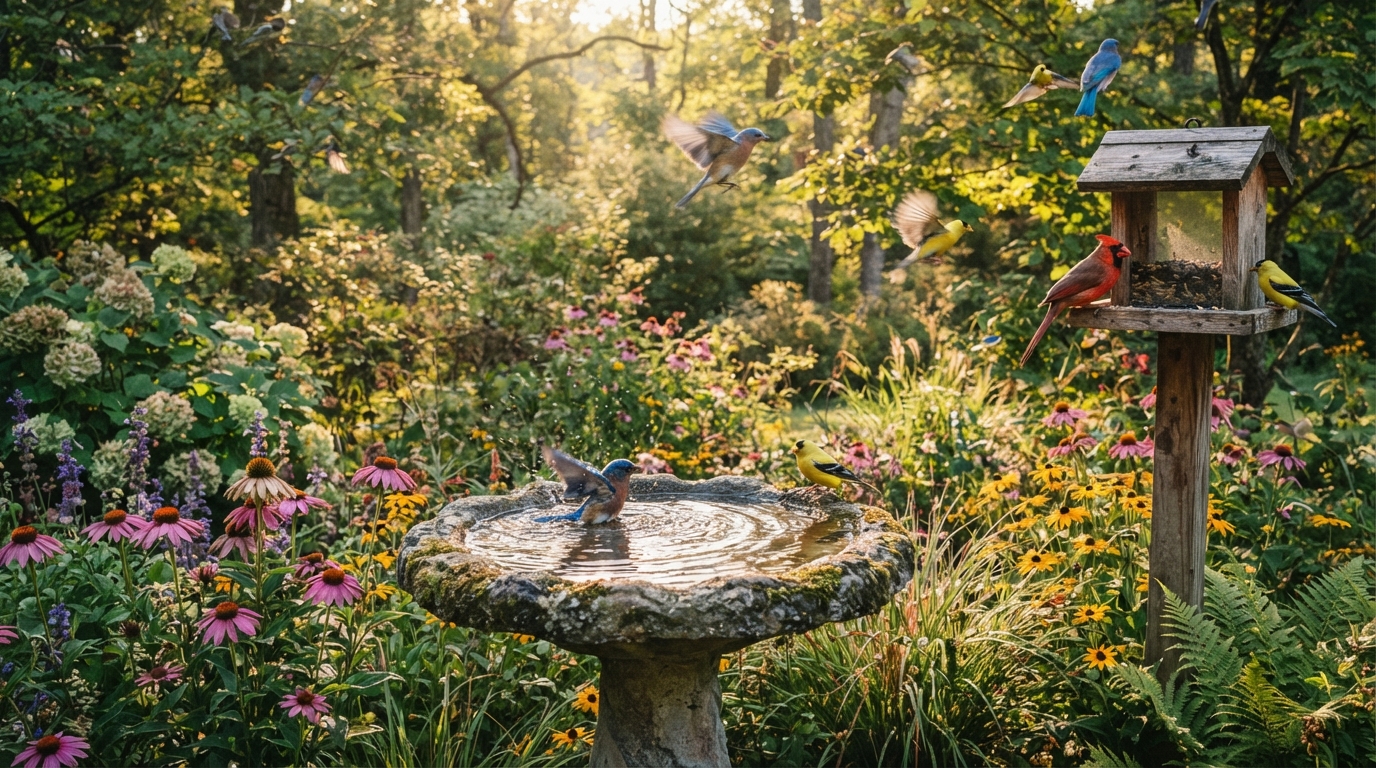
The first visitor arrived just after sunrise. It perched quietly on the edge of a weathered fence, tilted its head as if inspecting the garden, and then disappeared into a nearby tree. A few days later, another bird appeared, followed by two more. Before long, the backyard was filled with cheerful songs each morning, transforming an ordinary outdoor space into a vibrant sanctuary of movement and color.
Many people dream of creating a yard alive with birds, yet they often assume it requires a large property or expensive landscaping. The reality is much simpler. Learning how to attract birds is less about luck and more about understanding what birds truly need to survive and thrive. Food, water, shelter, and safety form the foundation of any bird-friendly environment, whether you have a sprawling garden, a suburban backyard, or a modest apartment balcony.
Birds do more than brighten outdoor spaces with their beauty and songs. They help pollinate plants, disperse seeds, and naturally control insects, making them valuable partners in healthy ecosystems. By creating a welcoming habitat, homeowners not only enjoy closer connections with nature but also contribute to local biodiversity.
With thoughtful planning and a little patience, almost any outdoor space can become a destination for a wide variety of bird species.
Understanding What Birds Need
Before exploring how to attract birds, it’s helpful to understand why they choose one location over another.
Birds constantly search for places that provide the essentials of survival. Reliable food sources help them maintain energy throughout the year, while clean water supports drinking and bathing. Dense vegetation offers protection from predators and harsh weather, and suitable nesting sites provide safe places to raise young.
When these elements exist together, birds are far more likely to visit regularly and eventually establish territories nearby.
Rather than viewing bird attraction as placing a single feeder in the yard, it’s more effective to think of creating a complete habitat that supports birds through every season.
Offer a Variety of Food Sources
Food is often the first feature that encourages birds to investigate a new area.
Different species have different dietary preferences, so offering a variety of foods naturally attracts greater diversity.
Black oil sunflower seeds remain one of the most popular choices because they appeal to numerous songbirds while providing excellent nutrition. Nyjer seeds attract finches, while peanuts appeal to woodpeckers, jays, and nuthatches. Suet supplies valuable energy during colder months, especially for insect-eating species.
Native flowering plants, berry-producing shrubs, and seed-bearing grasses further expand natural food availability throughout the year.
Providing both feeders and natural food sources creates a balanced environment that benefits birds across changing seasons.
Water Is Just as Important as Food
While feeders receive most of the attention, fresh water often proves equally valuable.
Birds require water not only for drinking but also for bathing, which helps maintain feather health and removes parasites.
A shallow birdbath with gently sloping sides provides an ideal source of water. Changing the water regularly keeps it clean while reducing mosquito breeding.
Moving water is especially attractive. Small fountains, drippers, or bubbling features create sound and movement that birds easily notice from above.
During winter, heated birdbaths become especially valuable in colder climates where natural water sources may freeze.
Reliable access to clean water encourages birds to return repeatedly, even if nearby food supplies fluctuate.
Plant Native Trees and Shrubs
One of the most effective ways to learn how to attract birds naturally is by planting native vegetation.
Native plants have evolved alongside local wildlife, making them valuable sources of food, shelter, and nesting materials.
Trees provide perching locations, nesting sites, and protection from predators. Shrubs offer dense cover where smaller birds can safely hide while searching for food.
Flowering plants attract insects, which become an important food source for many bird species, especially during breeding season when adults feed protein-rich insects to their chicks.
Berry-producing shrubs supply nutritious food well into autumn and winter after many insects disappear.
A diverse landscape supports birds throughout the entire year rather than during only one season.
Choose the Right Bird Feeders
Different feeder styles attract different types of birds.
| Feeder Type | Best For | Common Foods |
|---|---|---|
| Tube feeder | Finches, chickadees, sparrows | Sunflower seeds, nyjer |
| Hopper feeder | Cardinals, grosbeaks, jays | Mixed seed blends |
| Platform feeder | Ground-feeding birds, doves | Seeds, fruit, mealworms |
| Suet feeder | Woodpeckers, nuthatches | Suet cakes |
| Hummingbird feeder | Hummingbirds | Sugar-water nectar |
Placing multiple feeder types throughout the yard encourages greater species diversity while reducing competition among birds.
Cleaning feeders regularly is equally important, as accumulated mold, spoiled food, and droppings can spread disease.
Create Safe Shelter
Birds spend much of their time avoiding predators rather than searching for food.
Dense shrubs, evergreen trees, hedges, and brush piles provide important escape routes when hawks, cats, or other predators appear.
Layered landscaping works particularly well. Tall trees create upper canopy cover, medium shrubs offer nesting opportunities, and lower vegetation protects ground-feeding species.
Dead trees, when safe to leave standing, often become valuable habitats for woodpeckers, cavity-nesting birds, and beneficial insects.
Providing multiple levels of vegetation creates a more natural environment that encourages birds to stay longer rather than simply passing through.
Install Nesting Boxes
Natural nesting cavities have become less common in many developed areas.
Well-designed birdhouses help compensate for this loss while supporting breeding populations.
Different species require different entrance hole sizes, interior dimensions, and placement heights. Researching the birds common to your region helps ensure nesting boxes meet their specific needs.
Positioning nest boxes away from heavy human activity improves the likelihood of occupancy.
Avoid placing perches directly below entrance holes, as these can provide predators with easier access.
Regular maintenance after nesting season keeps boxes clean and ready for future use.
Reduce Hazards Around Your Yard
Creating an attractive habitat also means minimizing risks.
Window collisions remain one of the leading causes of bird mortality. Applying decals, screens, or specialized window films helps birds recognize glass as a barrier.
Domestic cats pose another significant threat. Keeping cats indoors protects both wildlife and pets while substantially reducing bird mortality.
Limiting pesticide use benefits birds by preserving the insects many species depend upon for food. Chemical-free gardening also supports healthier ecosystems overall.
Avoiding invasive plant species further improves habitat quality by encouraging native vegetation that better supports local wildlife.
Small changes can dramatically increase the safety of your outdoor space.
Seasonal Strategies for Bird Attraction
Bird activity changes throughout the year, making seasonal adjustments worthwhile.
Spring brings nesting behavior, increasing demand for nesting materials, insects, and secure shelter.
Summer requires abundant water and shade during periods of high temperatures.
Autumn migration creates opportunities to attract species passing through on long journeys. Berry-producing plants become especially valuable during this period.
Winter often brings the greatest dependence on backyard feeders as natural food becomes scarce. High-energy foods such as sunflower seeds and suet help birds survive cold weather.
Maintaining habitat year-round encourages both resident and migratory species to visit regularly.
Patience Makes the Difference
Many new bird enthusiasts expect immediate results after installing feeders or planting flowers.
In reality, birds often require time to discover new habitats.
Consistency is essential. Keeping feeders filled, water fresh, and landscaping healthy gradually builds trust among local bird populations.
As more birds begin visiting, their activity often attracts additional species through social behavior and vocal communication.
Within months, a quiet backyard can evolve into a thriving ecosystem filled with seasonal variety.
The transformation is rarely instant, but it is remarkably rewarding.
Why Bird-Friendly Gardens Matter
Learning how to attract birds benefits far more than individual homeowners.
Urbanization has reduced natural habitats across many regions, making residential gardens increasingly important as wildlife refuges.
Bird-friendly landscapes support pollination, seed dispersal, insect control, and broader ecological balance.
They also foster meaningful human connections with nature. Watching birds encourages mindfulness, reduces stress, and provides educational opportunities for children and adults alike.
Every garden, regardless of size, contributes to a larger network of habitats that help sustain local bird populations.
Conclusion
Understanding how to attract birds begins with recognizing that birds seek complete habitats rather than isolated food sources. By providing nutritious food, fresh water, protective shelter, native plants, and safe nesting opportunities, even a modest outdoor space can become a welcoming destination for wildlife.
Success doesn’t happen overnight, but consistent care and thoughtful habitat design create lasting rewards. Over time, familiar visitors become regular companions, seasonal migrations introduce new species, and each morning offers the possibility of another unexpected arrival.
In an increasingly urban world, creating space for birds is more than a hobby—it’s a meaningful way to support biodiversity while bringing beauty, movement, and natural harmony closer to home.