
 By admin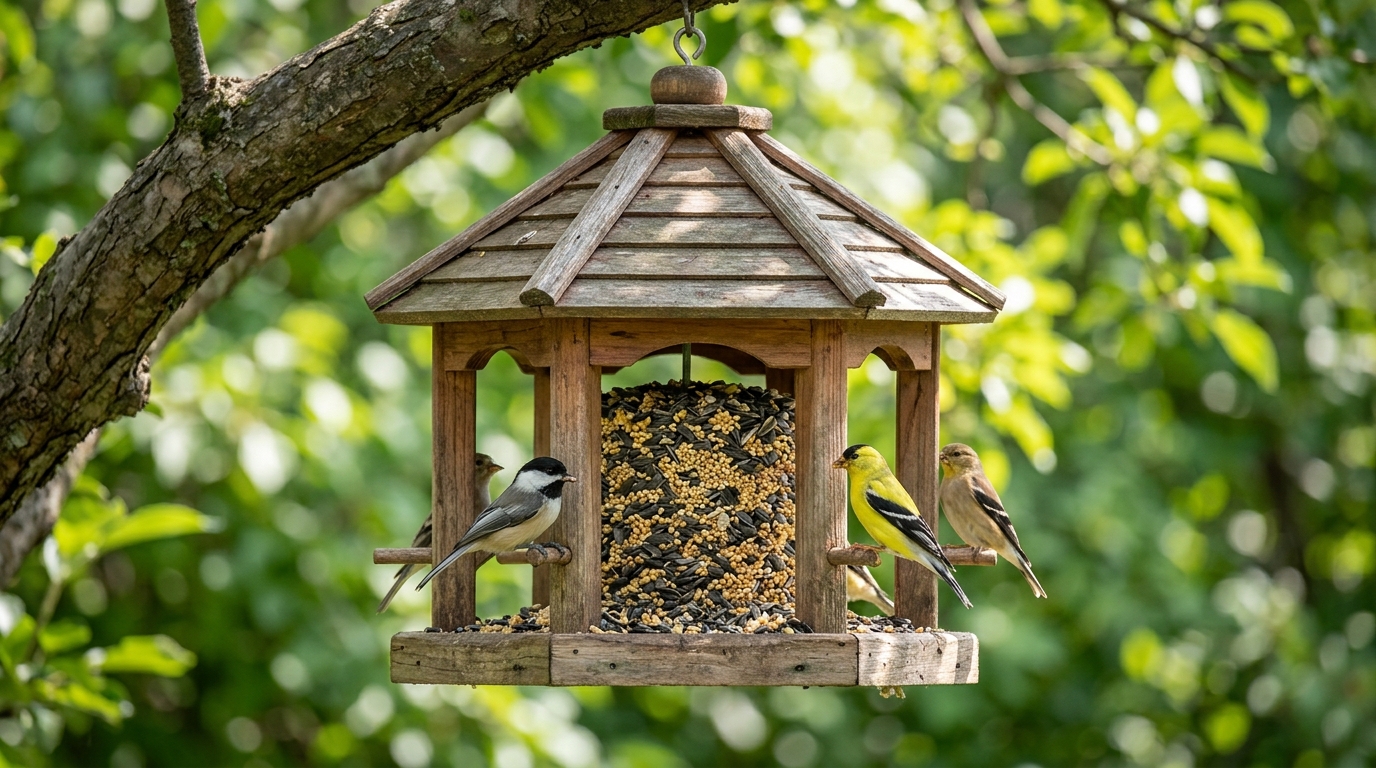
Early in the morning, before traffic builds and notifications begin competing for attention, birds often arrive quietly. A sparrow lands near a flower bed. A hummingbird pauses beside a balcony plant. Somewhere overhead, a chorus of calls replaces the mechanical rhythm of modern life. For many people, these moments feel unexpectedly calming—not because birds are rare, but because their presence reconnects people with a slower, more natural rhythm that urban living often suppresses.
Learning how to attract birds has become more than a gardening hobby. It now intersects with wellness, sustainability, biodiversity, and even modern design culture. Across cities and suburbs alike, homeowners, apartment dwellers, entrepreneurs, and eco-conscious communities are increasingly transforming outdoor spaces into small wildlife-friendly ecosystems.
The appeal is understandable. Birds bring movement, color, sound, and ecological balance into spaces that might otherwise feel static or disconnected from nature. More importantly, creating environments that support birds also improves local biodiversity and encourages healthier urban ecosystems.
The process, however, involves more than simply hanging a feeder. Birds respond to safety, habitat quality, water access, shelter, and seasonal food availability. Understanding those environmental patterns is what turns an ordinary yard or balcony into a thriving bird-friendly environment.
Why Birds Matter More Than Ever in Modern Cities
Urbanization has dramatically reshaped natural habitats worldwide. Expanding infrastructure, reduced green spaces, and environmental pollution have disrupted migration patterns and nesting environments for many bird species.
As a result, small private outdoor spaces now play a surprisingly important role in supporting local ecosystems.
Understanding how to attract birds is not only about personal enjoyment. It also contributes to ecological restoration on a local level. Gardens, terraces, rooftops, and even compact balconies can provide critical resting and feeding spaces for birds navigating increasingly fragmented environments.
This shift has changed how people think about landscaping and outdoor design.
Modern outdoor spaces are no longer viewed solely as decorative extensions of homes or offices. Increasingly, they are treated as living ecosystems capable of supporting pollinators, wildlife, and biodiversity.
Bird-friendly environments benefit humans as well. Studies consistently associate exposure to birdsong and natural environments with reduced stress, improved concentration, and better emotional well-being.
In a digital era dominated by screens and constant stimulation, birds provide something increasingly rare: ambient connection to the natural world.
Understanding What Birds Actually Need
One of the biggest misconceptions about attracting birds is that food alone is enough.
Birds choose environments based on a combination of survival factors:
food,
water,
shelter,
safety,
and nesting opportunities.
If one of these elements is missing, birds may visit briefly but rarely remain consistently.
Different species also have different environmental preferences. Songbirds prefer protective shrubs and smaller feeding stations, while larger birds often seek open visibility and spacious perches. Hummingbirds require nectar-rich flowers and shaded resting spots. Ground-feeding birds search for low vegetation and accessible seeds.
This diversity explains why successful bird-friendly spaces usually contain layered environments rather than a single attraction point.
The goal is not simply to invite birds temporarily, but to create conditions where they feel secure enough to return regularly.
The Role of Native Plants in Bird Attraction
Among all strategies related to how to attract birds, planting native vegetation remains one of the most effective.
Native plants support local insect populations, produce regionally familiar seeds and berries, and provide shelter adapted to native bird behavior. They also require less maintenance because they evolved naturally within local climate conditions.
Birds rely heavily on insects during nesting seasons, particularly when feeding young chicks. Even seed-eating birds often require protein-rich insects for reproduction and early development.
This means bird-friendly spaces are not purely about feeders. Healthy ecological systems matter more.
Many modern landscapes unintentionally discourage birds by prioritizing decorative imported plants that offer little nutritional or shelter value. While visually attractive, these spaces often function as ecological dead zones.
Native gardens, by contrast, support entire food chains.
Water: The Most Overlooked Attraction
Food receives most of the attention in bird-friendly discussions, but water often matters even more.
Birds need consistent access to clean water for drinking and bathing. Moving water is particularly attractive because birds naturally associate sound and motion with freshness and safety.
A simple birdbath can dramatically increase bird activity in an outdoor space, especially during warmer seasons.
Placement matters as well. Birds prefer water sources near shrubs or trees that provide quick escape routes from predators. Open exposure may discourage smaller species from approaching.
In urban environments where natural water sources are limited, even small water features can become valuable ecological resources.
The growing popularity of compact fountains, balcony water dishes, and solar-powered birdbaths reflects increasing awareness of this principle.
Creating Safe Spaces for Birds
Birds constantly assess danger. A space may contain food and water, but if it feels unsafe, most species will avoid lingering.
Understanding how to attract birds therefore requires attention to environmental security.
Cats, reflective glass, loud activity, and sudden movement all influence bird behavior. Dense shrubs, layered vegetation, and elevated perches help birds feel protected while observing their surroundings.
Window collisions also represent a major issue in urban environments. Reflective glass can confuse birds by mirroring sky and vegetation. Simple design adjustments such as window decals or external screens can significantly reduce collision risks.
Safety becomes especially important during migration periods when birds are physically exhausted and vulnerable.
Creating genuinely bird-friendly spaces means balancing accessibility with protection.
| Bird Attraction Element | Why It Matters | Best Approach |
|---|---|---|
| Native plants | Provides food and shelter | Use region-specific vegetation |
| Fresh water | Supports hydration and bathing | Install shallow moving water |
| Shelter | Reduces predator stress | Add shrubs and layered greenery |
| Food diversity | Attracts multiple species | Combine seeds, nectar, and berries |
| Quiet environment | Encourages nesting and return visits | Minimize sudden disturbances |
This combination creates environments birds perceive as sustainable habitats rather than temporary feeding stations.
Why Feeders Alone Are Not Enough
Bird feeders remain popular because they produce visible results quickly. However, relying exclusively on feeders can create imbalanced environments if broader habitat conditions are ignored.
Birds need nutritional variety.
Different species prefer different foods, including sunflower seeds, suet, nectar, fruit, insects, and grains. Cheap mixed seed blends often contain filler ingredients birds discard entirely.
Cleanliness also matters significantly. Poorly maintained feeders can spread disease among bird populations. Regular cleaning and dry seed storage are essential for maintaining healthy feeding environments.
The most effective bird-friendly spaces integrate feeders into larger ecological systems rather than treating feeding as the entire strategy.
This distinction mirrors broader sustainability principles where isolated solutions rarely outperform balanced ecosystems.
The Connection Between Birding and Mental Wellness
One reason interest in bird attraction has expanded rapidly in recent years is its connection to mental wellness.
Modern lifestyles often involve prolonged screen exposure, limited outdoor interaction, and fragmented attention spans. Birdwatching introduces a form of quiet observation that encourages patience and mindfulness.
Unlike highly stimulating entertainment, birds demand stillness.
People who learn how to attract birds often describe the experience as restorative rather than merely recreational. Watching seasonal patterns, identifying species, and noticing behavioral differences encourages deeper environmental awareness.
This psychological benefit has become especially valuable in urban settings where opportunities for daily interaction with wildlife may otherwise feel limited.
Bird-friendly spaces create micro-moments of calm within increasingly overstimulated environments.
Sustainability and the Rise of Ecological Design
The popularity of bird-friendly gardening also reflects a broader shift toward ecological design.
Modern consumers increasingly value outdoor spaces that contribute positively to local ecosystems rather than functioning purely as decorative landscapes. Green roofs, pollinator gardens, rainwater systems, and wildlife-friendly architecture are becoming more common across residential and commercial design sectors.
Businesses are paying attention as well.
Hotels, office campuses, cafés, and residential developments increasingly incorporate biodiversity features into branding and sustainability initiatives. Bird-friendly landscapes now influence real estate value, environmental certifications, and urban planning conversations.
Understanding how to attract birds therefore intersects with larger environmental and cultural movements focused on coexistence rather than purely aesthetic landscaping.
Seasonal Awareness and Long-Term Success
Bird behavior changes throughout the year. Migration, nesting cycles, weather patterns, and food availability all influence which species appear during different seasons.
Successful bird-friendly environments adapt accordingly.
Winter feeding becomes especially important in colder climates where natural food sources decline. Summer environments require water access and shaded shelter. Migration periods benefit from berry-producing plants and quiet resting spaces.
Long-term success depends on consistency rather than short-term attraction strategies.
Birds remember reliable environments.
Once they associate a space with safety and resources, many species return seasonally or establish ongoing nesting patterns nearby.
This relationship transforms outdoor spaces from passive scenery into active ecological partnerships.
Conclusion: Why Attracting Birds Changes How People Experience Nature
Learning how to attract birds ultimately changes more than a garden or balcony. It changes perception.
Bird-friendly spaces encourage people to notice seasonal rhythms, environmental changes, and forms of life that often go ignored in fast-moving urban environments. They transform ordinary outdoor areas into living ecosystems filled with movement, sound, and interaction.
The growing interest in bird attraction reflects a larger cultural realization: people increasingly crave meaningful connection with nature, even within highly modernized environments.
Birds offer that connection in accessible, everyday ways.
Their presence reminds people that healthy ecosystems do not always require vast wilderness. Sometimes they begin with a small water dish, a native plant, or a quiet corner where life feels welcome again.
And in a world shaped by constant digital noise, that kind of living presence carries surprising emotional value.