
 By admin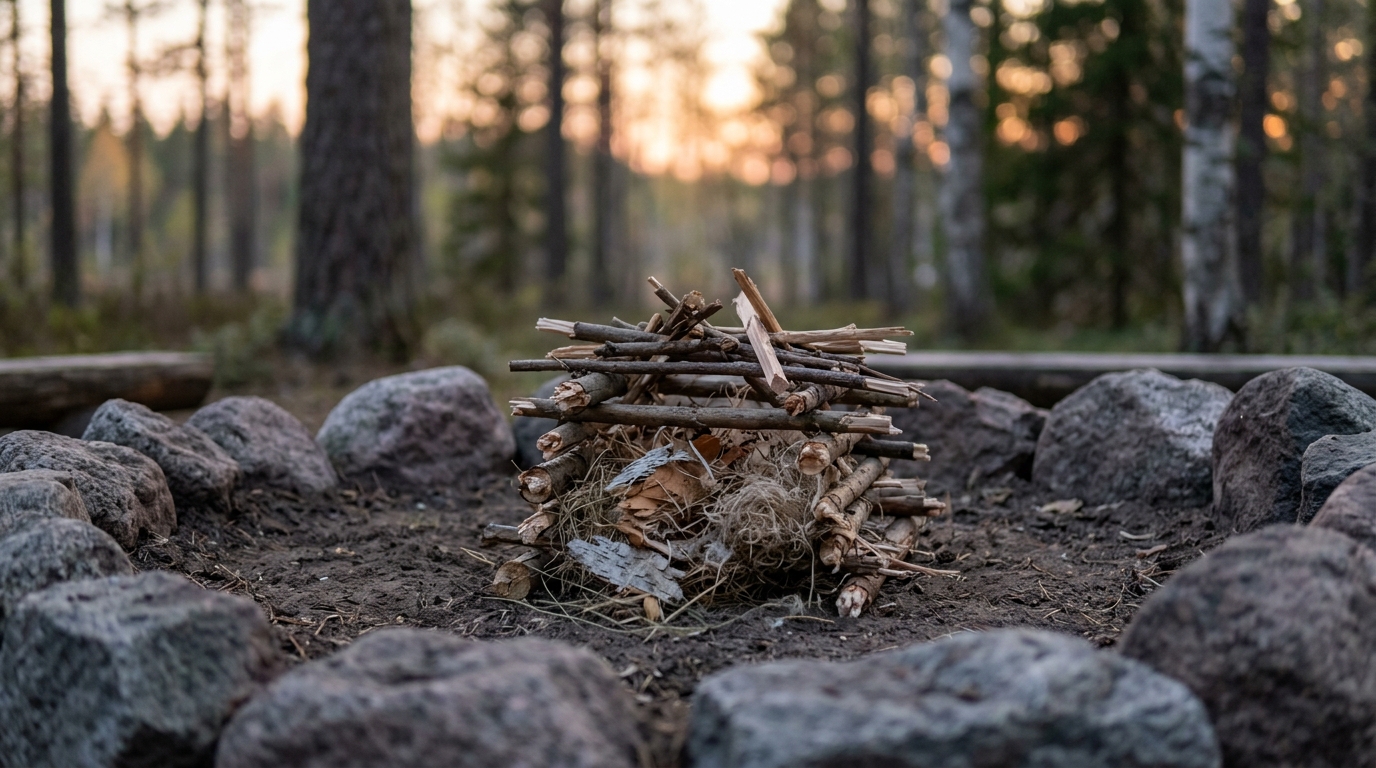
Long after smartphones lose signal and laptops run out of battery, fire still matters. A campfire can provide warmth in cold weather, light in darkness, a way to cook food, and perhaps most importantly, a sense of human connection that modern life often struggles to replicate. There is a reason people instinctively gather around flames. Fire slows conversations, sharpens attention, and transforms ordinary outdoor spaces into places of reflection and storytelling.
Learning how to build a campfire is often presented as a basic outdoor survival skill, but its significance extends much further. In a world increasingly shaped by digital convenience and urban routines, building a fire reconnects people with practical knowledge, patience, and environmental awareness.
For entrepreneurs, founders, remote workers, and modern professionals constantly surrounded by screens and schedules, outdoor experiences have become more than recreation. They represent opportunities to reset attention, strengthen resilience, and rediscover forms of simplicity that modern systems frequently overlook.
Yet despite its simplicity, a proper campfire requires preparation, safety awareness, and understanding of natural materials. The difference between a smoky frustration and a sustainable, controlled fire usually comes down to technique rather than luck.
Why Campfires Still Matter Today
At first glance, campfires may appear outdated in a world filled with portable technology and advanced outdoor gear. Yet their enduring relevance reflects something deeply human.
Fire creates atmosphere unlike any modern device. It combines warmth, movement, light, and sound in ways that naturally draw attention and encourage conversation. Studies on outdoor environments consistently show that natural settings reduce stress, improve focus, and support emotional recovery from cognitive overload.
This is partly why outdoor recreation has expanded dramatically in recent years. Professionals increasingly seek environments that counterbalance the constant stimulation of digital life.
Understanding how to build a campfire therefore becomes part of a larger cultural shift toward intentional outdoor experiences.
Campfires also represent self-sufficiency. In highly automated environments, practical skills carry renewed psychological value. The ability to create heat and light using natural resources feels grounding precisely because modern life rarely requires direct interaction with survival fundamentals.
Choosing the Right Location
The success of a campfire begins before the first spark.
Location determines not only how efficiently a fire burns, but also how safely it interacts with the surrounding environment. Poor placement is one of the most common causes of uncontrolled outdoor fires.
A proper fire site should always be located away from dry grass, low-hanging branches, tents, and unstable debris. Many campsites already provide designated fire rings or cleared areas specifically designed for safe fire management.
These spaces matter because fire behaves unpredictably under changing weather conditions, especially in windy or dry environments.
Ground stability is equally important. Soft organic material such as leaves or pine needles can ignite beneath surface flames unexpectedly. Clearing the area down to bare dirt or stone creates a safer foundation.
Environmental awareness also matters more than ever due to increasing wildfire risks across many regions. Responsible outdoor culture now prioritizes fire management as much as recreation itself.
Before building any fire, campers should verify local fire regulations and seasonal restrictions.
Understanding the Three Essential Fire Materials
Every successful campfire depends on three categories of fuel:
tinder,
kindling,
and firewood.
Each serves a different purpose in the fire-building process.
Tinder ignites quickly and creates the initial flame. Dry leaves, paper, pine needles, bark shavings, and cotton-based materials work well because they catch sparks easily.
Kindling consists of slightly larger sticks and small branches that sustain and expand the initial flame. These pieces should remain dry and relatively lightweight.
Firewood provides long-term heat and stability once the fire becomes established. Larger logs burn more slowly and maintain consistent temperature over time.
Many beginners struggle because they skip gradual fuel progression. Large logs rarely ignite directly from a small spark. Fire requires staged growth.
This principle mirrors many systems beyond camping itself. Sustainable growth often depends on building strong foundations before scaling upward.
The Importance of Dry Materials
One of the most underestimated aspects of how to build a campfire is moisture management.
Wet wood creates smoke, weak flames, and frustration. Dry materials ignite more efficiently because less energy is wasted evaporating water before combustion begins.
Experienced campers often gather wood from elevated areas rather than directly from damp ground. Dead branches still attached to trees frequently remain drier than fallen debris exposed to moisture.
The sound of dry wood provides useful clues. Dry sticks usually snap cleanly when broken, while damp wood bends or tears fibrously.
Preparation matters significantly here. Collecting more dry material than initially seems necessary prevents interruptions once the fire begins.
Fire-building rewards foresight.
Popular Campfire Structures and Their Benefits
Different fire structures influence airflow, burn speed, and heat distribution. Understanding these designs improves both efficiency and control.
| Fire Structure | Best Use | Key Advantage |
|---|---|---|
| Teepee Fire | Quick ignition | Excellent airflow |
| Log Cabin Fire | Long steady burn | Stable heat distribution |
| Lean-To Fire | Windy conditions | Protects initial flame |
| Star Fire | Long-duration fires | Conserves firewood |
| Dakota Fire Hole | Survival situations | Reduced visibility and wind exposure |
The teepee structure remains one of the most common approaches because it allows oxygen to circulate effectively around tinder and kindling. Small sticks lean inward around the tinder bundle, creating a cone shape that supports rapid ignition.
The log cabin structure, by contrast, burns more slowly and steadily. It layers larger wood pieces horizontally, producing sustained heat useful for cooking or colder environments.
Choosing the right structure depends on weather conditions, available materials, and intended fire use.
Why Airflow Determines Fire Quality
Fire depends on oxygen as much as fuel.
One reason beginners struggle with campfires is that they accidentally smother flames by stacking materials too densely. Proper airflow allows combustion to expand naturally.
This is why most effective fire structures include open spaces between wood pieces rather than tightly packed piles.
Wind direction also influences airflow significantly. Gentle airflow helps feed flames, while strong wind can destabilize sparks and increase fire risk.
Experienced campers often position themselves carefully relative to wind direction to reduce smoke exposure and maintain fire control.
The relationship between oxygen and combustion reflects a broader principle visible in both nature and business systems: growth requires balance rather than force.
Too little airflow weakens fire.
Too much creates instability.
The Role of Patience in Fire Building
Modern culture encourages speed and immediate results, but campfires resist impatience.
A sustainable fire develops gradually. Small flames strengthen before supporting larger fuel loads. Attempting to rush the process usually extinguishes momentum.
This is part of why fire-building feels psychologically satisfying. It requires observation, adjustment, and patience rather than passive consumption.
Outdoor activities increasingly appeal to professionals because they reintroduce slower forms of attention. Building a campfire forces people to engage directly with process instead of instant outcomes.
That experience can feel surprisingly restorative.
Many experienced outdoor enthusiasts describe campfires less as technical tasks and more as rhythmic interactions with natural systems.
Campfire Safety and Environmental Responsibility
Understanding how to build a campfire also means understanding how to extinguish one completely.
Many outdoor fires become dangerous not during ignition, but during abandonment. Embers can remain dangerously hot long after visible flames disappear.
Responsible fire management requires water, dirt, or sand to fully cool all remaining embers. Stirring ashes while adding water helps eliminate hidden heat pockets.
A properly extinguished fire should feel cool to the touch before leaving the area.
Environmental responsibility has become increasingly central to outdoor culture as climate conditions intensify wildfire risks globally.
Modern campers are expected to practice “leave no trace” principles:
minimizing environmental damage,
respecting wildlife,
and preserving natural spaces for future visitors.
The ethics surrounding campfires now extend beyond personal safety toward broader ecological awareness.
Campfires as Social and Psychological Spaces
Beyond practicality, campfires remain culturally significant because they create social environments unlike ordinary indoor settings.
Without televisions, notifications, or artificial lighting dominating attention, conversations often become more reflective and emotionally present around fire.
Anthropologists have long noted the connection between fire and storytelling. Shared flames historically functioned as gathering points for teaching, bonding, and cultural transmission.
That dynamic still exists today.
Campfires naturally encourage slower dialogue and collective focus in ways modern environments rarely support.
This may explain why outdoor retreats, leadership programs, and team-building experiences frequently incorporate fire-centered gatherings despite advances in digital communication technology.
Why Ancient Skills Feel Increasingly Modern
The enduring appeal of campfires reflects a broader cultural shift toward rediscovering practical, embodied experiences.
As daily life becomes increasingly virtual and automated, activities involving direct interaction with natural elements gain emotional value. Fire-building reconnects people with patience, observation, and environmental awareness in ways modern systems often minimize.
Learning how to build a campfire is therefore not merely about outdoor survival. It is about understanding process, responsibility, and relationship with the natural world.
These lessons remain remarkably relevant in contemporary life.
Conclusion
A campfire is both primitive and timeless. It transforms darkness into warmth, creates community from isolation, and reminds people that some forms of knowledge remain valuable regardless of technological progress.
In practical terms, building a fire teaches preparation, patience, and environmental responsibility. Emotionally, it offers something modern life increasingly lacks: sustained attention and grounded presence.
That is why campfires continue mattering across generations.
They are not simply tools for survival or recreation. They are experiences that reconnect people with slower rhythms, shared conversation, and elemental human instincts that technology cannot fully replace.
And perhaps that is the deeper reason people continue gathering around fire even in highly modern worlds. Flames still provide something no screen has ever replicated—a sense of focus, connection, and quiet perspective beneath open skies.