
 By admin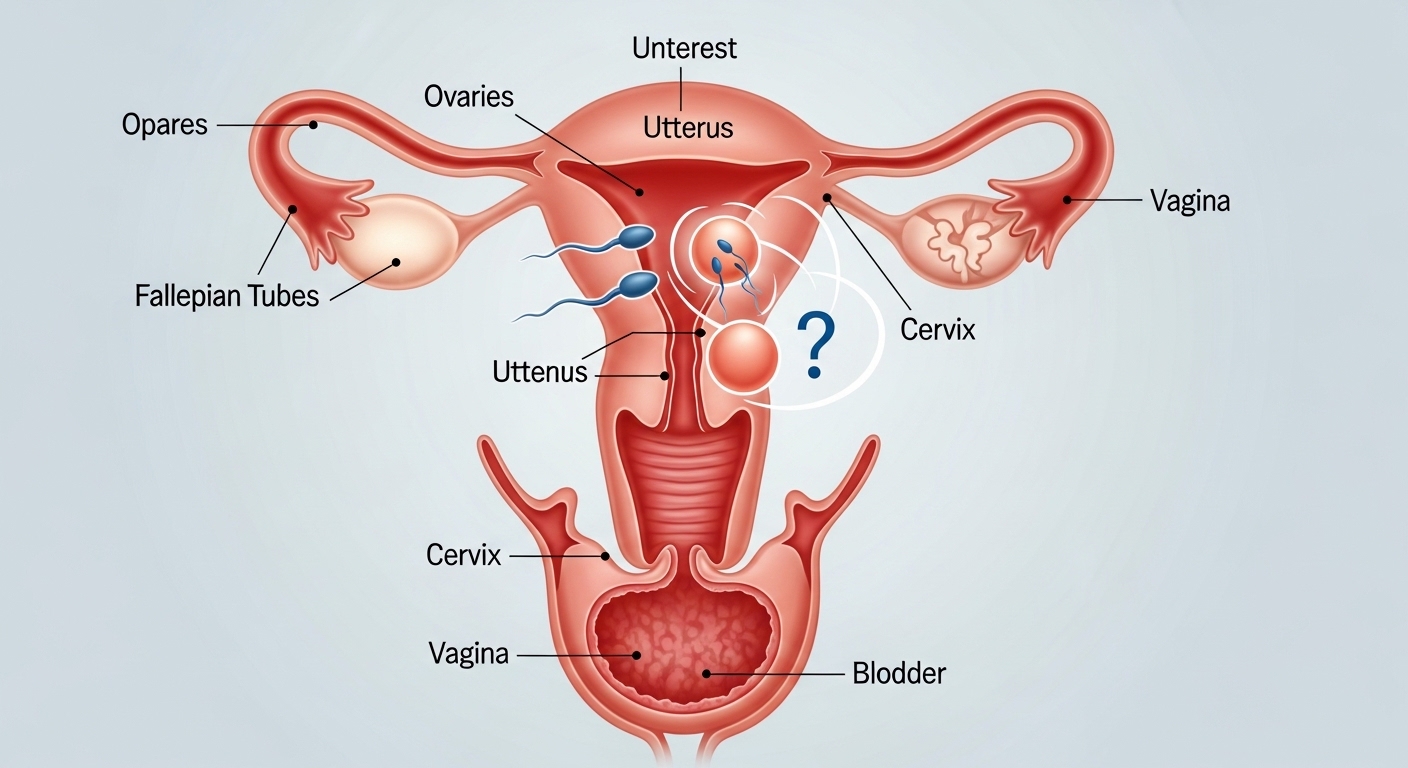
Are you trying to conceive and wondering how the position of your womb might play a role in your fertility? If you’ve been told that you have an anteverted womb, you’re not alone. Many women share this anatomical characteristic without even realizing it. But what does it mean for your chances of getting pregnant? In this article, we’ll explore everything you need to know about an anteverted womb and its impact on fertility. From understanding what it is to discovering tips for enhancing your conception journey, we’re here to shed light on any concerns you may have regarding this often-misunderstood topic. Let’s dive in!
Understanding Anteverted Womb
An anteverted womb, or anteversion, refers to the forward tilt of the uterus. Instead of being positioned straight up and down or tilted backward, it leans slightly toward the front of the body. This is a common anatomical variation that many women have.
It’s important to note that having an anteverted womb is generally considered normal. It often goes unnoticed unless assessed during a pelvic exam or ultrasound.
The angle and position can vary from one woman to another, but most fall within typical ranges. Genetics and hormonal influences play significant roles in determining this positioning.
Understanding your unique anatomy can be empowering as you navigate your reproductive health. Being aware of how your womb is situated helps demystify any concerns about fertility and conception later on.
The Relationship between Anteverted Womb and Fertility
An anteverted womb, where the uterus tilts forward towards the bladder, is a common anatomical variation. Many women wonder how this positioning influences fertility.
Research indicates that an anteverted womb does not negatively impact conception for most individuals. The uterus’s position plays a minimal role in sperm travel or embryo implantation. This means that even with an anteverted alignment, many women successfully conceive without complications.
However, some underlying conditions associated with uterine positioning may affect fertility. Endometriosis and fibroids can occur alongside an anteverted womb and could potentially hinder conception efforts. It’s essential to monitor overall reproductive health rather than focusing solely on uterine position.
Understanding your body aids in addressing concerns about fertility effectively. When seeking advice or treatment options, consider discussing any symptoms you experience alongside the knowledge of your uterine orientation.
Possible Symptoms and Causes of an Anteverted Womb
An anteverted womb, or uterus, is positioned tilting forward towards the bladder. Many women may not even realize they have this condition since it often presents no symptoms.
However, some might experience discomfort during intercourse or a feeling of pressure in the pelvic area. These sensations can arise from normal menstrual cycles and hormonal changes.
The causes of an anteverted womb are generally varied. For many women, it’s simply a matter of anatomy—it’s how their bodies developed naturally. Other factors could include childbirth history or certain medical conditions that affect uterine positioning.
While most cases remain asymptomatic and do not require treatment, monitoring any unusual signs is always wise. Awareness can help pinpoint whether any underlying health issues need attention.
Medical Treatments for an Anteverted Womb
Medical treatments for an anteverted womb are generally minimal, as this position is considered normal. However, if there are associated complications like pain or fertility issues, healthcare providers may suggest various approaches.
For women experiencing discomfort, over-the-counter pain relievers can help manage symptoms. In cases where anatomical abnormalities exist alongside the anteversion, surgical options might be explored.
Laparoscopic surgery is one technique that allows doctors to address underlying conditions without extensive recovery times. It’s less invasive and can correct issues such as fibroids or adhesions contributing to infertility.
Hormonal therapies may also play a role if hormonal imbalances are identified during evaluations.
Before pursuing any treatment option, consulting with a specialist ensures tailored advice based on individual circumstances and health needs.
Natural Ways to Improve Fertility with an Anteverted Womb
Maintaining a healthy diet is crucial for boosting fertility. Focus on whole foods, plenty of fruits and vegetables, and lean proteins. Omega-3 fatty acids found in fish can also play a beneficial role.
Regular exercise aids in overall health and hormone balance. Aim for moderate workouts like walking or yoga, which can improve blood flow to the reproductive organs without causing stress.
Stress management techniques such as mindfulness meditation or deep-breathing exercises help create a more conducive environment for conception. Reducing anxiety allows your body to function optimally.
Herbal supplements may support reproductive health too. Herbs like red clover and chasteberry have been traditionally used to enhance fertility.
Staying hydrated ensures that your body operates efficiently, so drink plenty of water throughout the day.
Consider tracking ovulation cycles using apps or calendars. Understanding your body’s rhythm can significantly increase chances of conception with an anteverted womb.
Tips for Conceiving with an Anteverted Womb
When trying to conceive with an anteverted womb, a few practical tips can enhance your chances. First, consider tracking your ovulation cycle closely. Knowing when you’re most fertile can make all the difference.
Positioning also matters during intercourse. Many find that missionary or doggy style positions may facilitate deeper penetration, which could aid sperm placement near the cervix.
Incorporating relaxation techniques like yoga or meditation might reduce stress levels. A calm mind and body create a favorable environment for conception.
Nutrition plays a key role too. Maintaining a balanced diet rich in vitamins and minerals supports overall reproductive health. Foods high in folic acid, omega-3 fatty acids, and antioxidants are particularly beneficial.
Don’t hesitate to consult with healthcare professionals who understand your unique anatomy. They can provide tailored advice specific to your situation and help navigate any concerns that arise along the way.
Conclusion
Understanding an anteverted womb is essential for anyone navigating their fertility journey. This common anatomical variation can raise questions about its effects on conception, but it’s crucial to remember that having an anteverted womb does not inherently hinder your ability to conceive.
The relationship between an anteverted womb and fertility may be more nuanced than previously thought. While some studies suggest it could influence the positioning of the uterus during implantation, many women with this uterine position successfully conceive without any complications.
Possible symptoms associated with an anteverted womb can vary from mild discomfort during menstruation to issues related to pelvic health. However, these symptoms are often manageable and should not deter you from pursuing pregnancy.
If you’re facing challenges or have concerns regarding your anteverted womb, medical treatments are available. Healthcare professionals can offer guidance tailored to your unique circumstances.
For those looking for natural ways to improve fertility while living with an anteverted womb, lifestyle choices play a pivotal role. A healthy diet, regular exercise, stress management techniques like yoga or meditation, and maintaining a healthy weight all contribute positively.
When trying to conceive with an anteverted womb, certain tips might enhance your chances of success. Tracking ovulation cycles accurately and engaging in positions that allow deeper penetration can help facilitate sperm reaching the egg effectively.
The journey toward conception is personal and multifaceted. Understanding how your body works—particularly when it comes to something as specific as having an anteverted womb—can empower you on this path toward parenthood.