
 By admin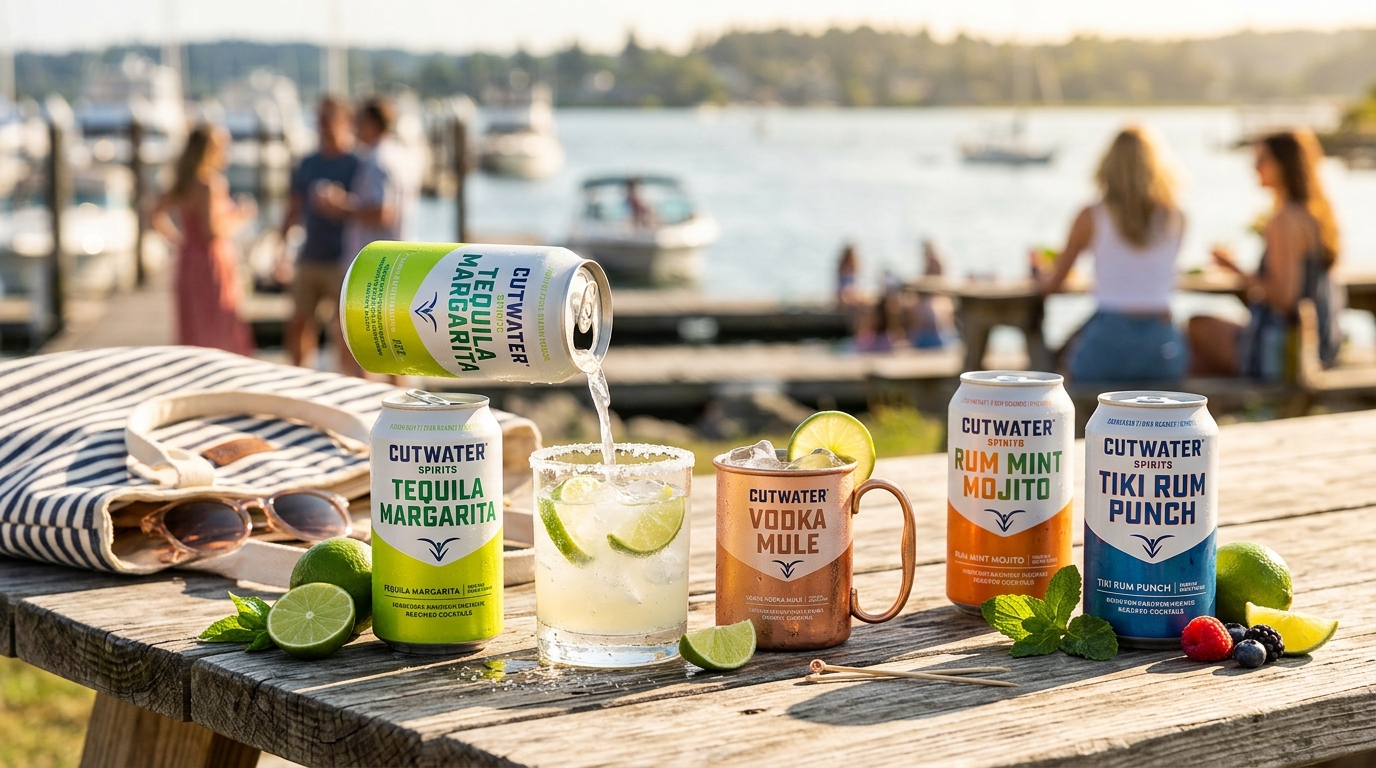
The first time you crack open a canned cocktail expecting mediocrity—and instead get something that rivals a bar-made drink—it changes your expectations entirely. That’s exactly the moment many people have with Cutwater Spirits. What once felt like a convenience compromise has quietly evolved into a serious contender in the beverage world, driven largely by the diversity and craftsmanship behind Cutwater flavors.
In a market flooded with sugary seltzers and predictable mixes, Cutwater has carved out a distinct identity. It doesn’t just offer drinks—it curates experiences in a can, blending premium spirits with thoughtful flavor profiles that appeal to both casual drinkers and seasoned enthusiasts.
The Rise of Cutwater Flavors in Modern Drinking Culture
The shift toward ready-to-drink cocktails isn’t accidental. Consumers today want quality without complexity. They want something they can take to a beach, a rooftop, or even just their living room—without sacrificing taste.
Cutwater understood this early. Instead of chasing trends, it leaned into authenticity. Every product begins with real distilled spirits rather than malt-based shortcuts. That single decision sets the foundation for why Cutwater flavors stand out in a crowded category.
More importantly, the brand approaches flavor like a mixologist would. It’s not just about sweetness or strength—it’s about balance, finish, and character.
Exploring the Range: What Makes Cutwater Flavors Unique
One of the most impressive aspects of Cutwater is its range. Rather than sticking to a single style, the brand experiments across multiple cocktail traditions.
Classic Cocktails, Reimagined
Cutwater takes familiar drinks and elevates them with precision. The Margarita line, for instance, isn’t just lime and tequila—it captures the tang, slight bitterness, and smooth finish you’d expect from a well-made bar version.
Similarly, their Whiskey Mule delivers that signature ginger bite, balanced with real whiskey depth rather than artificial flavoring.
Tropical and Escapist Profiles
Then there are flavors designed to transport you. Pineapple, mango, and coconut-based blends lean into vacation energy, but without becoming overly sweet or artificial.
What’s interesting is how these flavors maintain structure. Even in tropical variants, you can still taste the spirit underneath—a detail many competitors miss.
Bold and Unexpected Creations
Cutwater also experiments beyond the expected. Spicy variations, like chili-infused cocktails, or combinations that mix citrus with herbal notes, show a willingness to push boundaries.
This is where the brand feels less like a mass producer and more like a creative studio.
A Quick Comparison of Popular Cutwater Flavors
| Flavor Category | Key Notes | Ideal For | Overall Experience |
|---|---|---|---|
| Margarita Variants | Citrus, tequila, slight salt | Social gatherings, casual sipping | Crisp, balanced, refreshing |
| Mule Series | Ginger, spice, citrus | Evening drinks, relaxed settings | Bold, slightly sharp |
| Tropical Flavors | Pineapple, coconut, mango | Beach vibes, summer occasions | Smooth, fruity, layered |
| Spirit-Forward Mixes | Whiskey, rum, vodka focus | Experienced drinkers | Rich, authentic, less sweet |
Why Cutwater Flavors Appeal to a Broader Audience
What makes Cutwater particularly interesting is how it bridges two different audiences.
On one side, you have casual consumers who want something easy and enjoyable. On the other, you have more discerning drinkers who typically avoid canned cocktails altogether. Cutwater manages to satisfy both by maintaining a balance between accessibility and quality.
The alcohol content also plays a role. Many Cutwater drinks are stronger than typical ready-to-drink options, which adds to their appeal but also positions them differently in the market. They’re not just light refreshments—they’re полноцен cocktails.
The Craft Behind the Can
A big part of the success behind Cutwater flavors lies in its production philosophy. By using real distilled spirits and maintaining control over the entire process, the brand ensures consistency.
This approach mirrors traditional distilling more than mass beverage manufacturing. It’s also why the flavors tend to feel more “complete.” You’re not just tasting additives—you’re experiencing a composed drink.
There’s also a subtle but important emphasis on finish. Many canned drinks taste strong upfront but fade awkwardly. Cutwater’s better variants linger in a way that feels intentional, almost like a well-structured cocktail.
Real-World Relevance: Where These Flavors Fit
Cutwater flavors aren’t just about taste—they’re about context.
They fit into moments where convenience matters but expectations are still high. Think small gatherings, travel, or situations where a full bar setup isn’t practical. Instead of lowering standards, these drinks adapt to the environment.
For entrepreneurs and modern professionals—especially those constantly balancing time and quality—this kind of product reflects a broader trend. Efficiency doesn’t have to mean compromise.
The Subtle Shift in Consumer Expectations
The popularity of brands like Cutwater Spirits signals something bigger than just a trend. It shows that consumers are becoming more educated and selective.
People now expect:
- Transparency in ingredients
- Authentic flavor profiles
- A sense of craftsmanship
Cutwater flavors succeed because they align with these expectations rather than trying to bypass them.
Final Thoughts: More Than Just Convenience
Cutwater isn’t winning because it’s convenient—it’s winning because it respects the drinker. Each flavor feels considered, not rushed. Each can reflects a deeper understanding of what makes a cocktail enjoyable.
As the ready-to-drink market continues to evolve, brands that prioritize quality over shortcuts will likely define its future. Cutwater has already positioned itself as one of those leaders.
For anyone exploring this space, the takeaway is simple: don’t underestimate what’s possible in a can.