
 By admin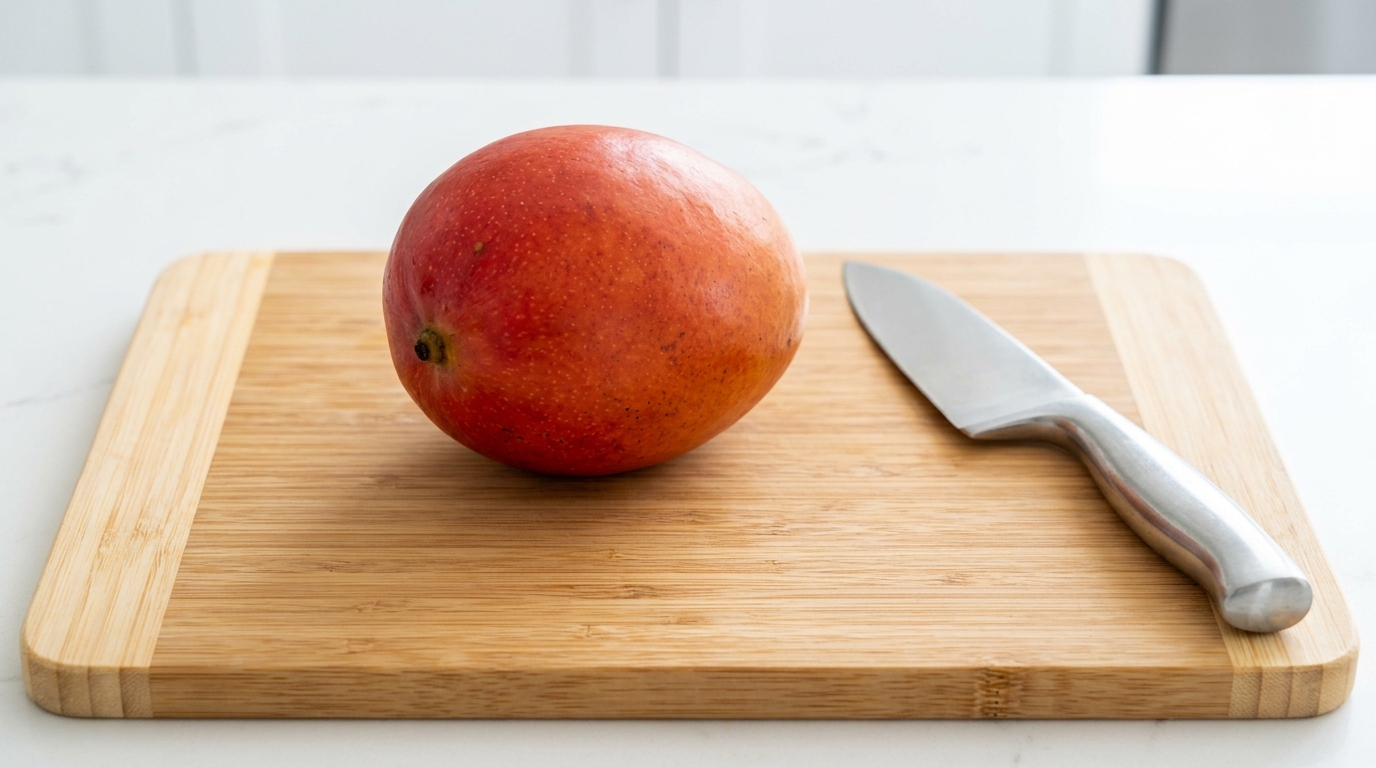
The first time someone tries to cut a mango, it often turns into a small kitchen disaster. Juice runs across the cutting board, slippery slices slide out of your hands, and the stubborn pit in the center refuses to cooperate. It’s a surprisingly universal experience. Mangoes may be one of the world’s most beloved fruits, but they rarely behave like apples or oranges. Their unusual shape and large flat seed make them intimidating at first glance.
Yet once you understand how to cut a mango properly, the process becomes effortless — almost satisfying. A cleanly sliced mango transforms from a frustrating tropical fruit into something elegant and versatile, ready for smoothies, salads, desserts, salsas, or simply eaten fresh with a spoon on a warm afternoon.
Knowing how to handle a mango is more than a culinary trick. It reflects a broader shift in how people approach food today. As home cooking becomes more global and ingredient-driven, fruits once considered exotic have become everyday staples in kitchens around the world. Mangoes now appear in everything from upscale restaurant menus to quick weekday breakfasts.
But despite their popularity, many people still avoid buying fresh mangoes because they assume preparation is difficult. In reality, the challenge is not the fruit itself — it’s understanding its structure.
Understanding the Shape of a Mango
Before learning how to cut a mango, it helps to understand what makes the fruit different from others.
Inside every mango is a long, flat pit that runs vertically through the center. Unlike peaches or avocados, the seed is wider and harder to predict with a knife. Most cutting mistakes happen because people attempt to slice directly through that pit.
The mango’s flesh, however, sits generously on both sides of the seed. Once you learn to work around the pit instead of through it, the process becomes remarkably simple.
A ripe mango should feel slightly soft when pressed gently, similar to a ripe avocado. If it feels rock hard, it likely needs more time to ripen. Overripe mangoes, meanwhile, can become too soft and difficult to slice neatly.
Color is less reliable than texture because different mango varieties ripen into different shades. Some remain green even when perfectly sweet.
The Best Tools for the Job
A sharp chef’s knife is the most important tool when cutting mangoes. Dull knives create uneven pressure, increasing the chance of slipping and damaging the fruit.
You’ll also want a stable cutting board and, ideally, a small spoon for scooping the flesh after slicing.
Some specialty kitchen gadgets claim to simplify mango cutting, but professionals often prefer a standard knife because it offers greater precision and control.
The goal is not speed. It’s clean movement and minimal waste.
How to Cut a Mango Step by Step
The easiest and most widely used method begins by positioning the mango upright on the cutting board with the stem facing upward.
Imagine the flat seed running down the center vertically. Instead of cutting directly through the middle, slice about a quarter-inch off-center on one side. Repeat the same cut on the opposite side.
You’ll now have three sections: two large “cheeks” filled with fruit and a narrow middle section containing the pit.
The cheeks are where most of the edible fruit lives.
Using the tip of your knife, score the flesh in a grid pattern without piercing through the skin. Then gently push the skin upward from underneath. The mango cubes will pop outward like a checkerboard.
At this stage, the fruit can be sliced away cleanly with a knife or spoon.
The center section around the pit still contains valuable fruit. Carefully trim away the remaining flesh from the seed, much like carving meat from a bone.
Once mastered, the entire process takes less than a minute.
Comparing Popular Mango Cutting Methods
Different techniques work better depending on how the mango will be used. Some methods prioritize presentation, while others focus on convenience.
| Method | Best For | Difficulty | Result |
|---|---|---|---|
| Hedgehog Method | Snacks and salads | Easy | Cubed mango pieces |
| Peel-and-Slice Method | Smoothies and cooking | Moderate | Clean slices |
| Spoon Scoop Method | Very ripe mangoes | Easy | Soft fruit removal |
| Glass Cup Method | Quick kitchen prep | Moderate | Efficient flesh separation |
The “glass method” has gained popularity online in recent years. After slicing off the cheeks, the edge of a drinking glass is used to separate the flesh from the skin in one smooth motion. While effective, it works best with perfectly ripe mangoes and requires a bit of practice.
Avoiding Common Mistakes
One of the biggest mistakes people make is peeling the mango before cutting it. Without the skin providing structure, the fruit becomes slippery and difficult to control.
Another common issue is using excessive force. Mangoes reward precision, not pressure. A gentle slicing motion works better than forcing the knife through resistance.
Cutting an underripe mango also creates unnecessary frustration. The flesh clings tightly to the seed and lacks the sweetness that makes mangoes appealing in the first place.
Overripe mangoes present the opposite challenge. Their softness can make scoring difficult, though they remain excellent for smoothies, sauces, and desserts.
Patience matters more than perfection.
Why Mangoes Have Become a Global Favorite
Part of the fascination with learning how to cut a mango comes from the fruit’s growing cultural presence worldwide.
Once considered seasonal or regional, mangoes now appear in supermarkets across North America, Europe, the Middle East, and Asia year-round. Their flavor bridges sweetness and acidity in a way few fruits can match.
Chefs value mangoes because they adapt to both savory and sweet dishes. A ripe mango can elevate seafood tacos, brighten spicy chutneys, enrich yogurt bowls, or anchor tropical cocktails.
Nutrition also plays a role in their popularity. Mangoes contain vitamin C, vitamin A, antioxidants, and dietary fiber, making them both indulgent and functional.
As global cuisine becomes more mainstream, ingredients like mangoes shift from exotic novelties to kitchen essentials.
Different Mango Varieties Change the Experience
Not all mangoes behave the same way on a cutting board.
Ataulfo mangoes, often called honey mangoes, are smaller, creamier, and less fibrous. Kent mangoes tend to be juicy and sweet with minimal stringiness. Tommy Atkins mangoes, commonly found in supermarkets, are durable and visually vibrant but sometimes more fibrous than premium varieties.
Understanding variety differences can dramatically improve preparation.
For beginners, firmer mangoes are usually easier to handle because they maintain structure during slicing. Softer varieties require a gentler touch but often deliver richer flavor.
Professional chefs frequently select mango varieties based on intended use rather than appearance alone.
Mango Preparation in Professional Kitchens
In restaurant kitchens, efficiency matters as much as presentation. Experienced chefs often cut multiple mangoes in assembly-line fashion, separating cheeks first before moving through scoring and extraction.
Consistency becomes especially important in hospitality settings where presentation affects perceived quality.
Uniform mango cubes create visual balance in fruit platters, desserts, and plated entrees. Uneven chunks can make even flavorful dishes appear careless.
This attention to detail reflects a broader culinary principle: preparation influences experience. The way food is cut changes texture, visual appeal, and even how flavors are perceived.
A properly cut mango feels luxurious. A mangled one feels inconvenient.
The Cultural Significance of Mangoes
In many parts of the world, mangoes carry emotional and cultural significance far beyond nutrition.
Across South Asia, mango season is deeply tied to family gatherings, summer traditions, and regional pride. In parts of Latin America, mangoes are sold fresh on busy streets with lime, salt, and chili powder. In tropical regions, mango trees often become symbols of abundance and hospitality.
Because of this cultural weight, preparing mangoes properly can feel almost ceremonial.
There is something distinctly tactile and sensory about the fruit — the aroma, the vibrant color, the sticky sweetness on your fingertips. Cutting a mango well becomes part practical skill and part appreciation ritual.
That emotional connection helps explain why mangoes inspire such loyalty worldwide.
Storage and Freshness Tips
Once cut, mangoes should be stored in an airtight container in the refrigerator and consumed within a few days.
Exposure to air gradually softens texture and reduces freshness. For meal prep, slightly underripe mangoes often hold up better over time.
Mango can also be frozen successfully. Cubed mango freezes particularly well for smoothies and desserts.
Some home cooks freeze mango on parchment-lined trays before transferring pieces into storage bags. This prevents clumping and preserves texture more effectively.
Freshness ultimately affects flavor, and flavor is what makes the effort worthwhile.
Conclusion
Learning how to cut a mango is one of those deceptively simple kitchen skills that changes your relationship with an ingredient entirely. What once seemed awkward or messy becomes intuitive with a little understanding and practice.
More importantly, mastering the process opens the door to a fruit celebrated across cultures for its flavor, versatility, and sensory richness. Mangoes are not just ingredients. They are experiences — vibrant, fragrant, and unmistakably alive.
In a world increasingly filled with convenience foods and pre-packaged meals, there is something satisfying about learning how to prepare fresh produce properly. Cutting a mango by hand reconnects people with the tactile side of cooking, where skill and simplicity meet.
And once you’ve done it a few times, you may wonder why it ever seemed difficult at all.