
 By admin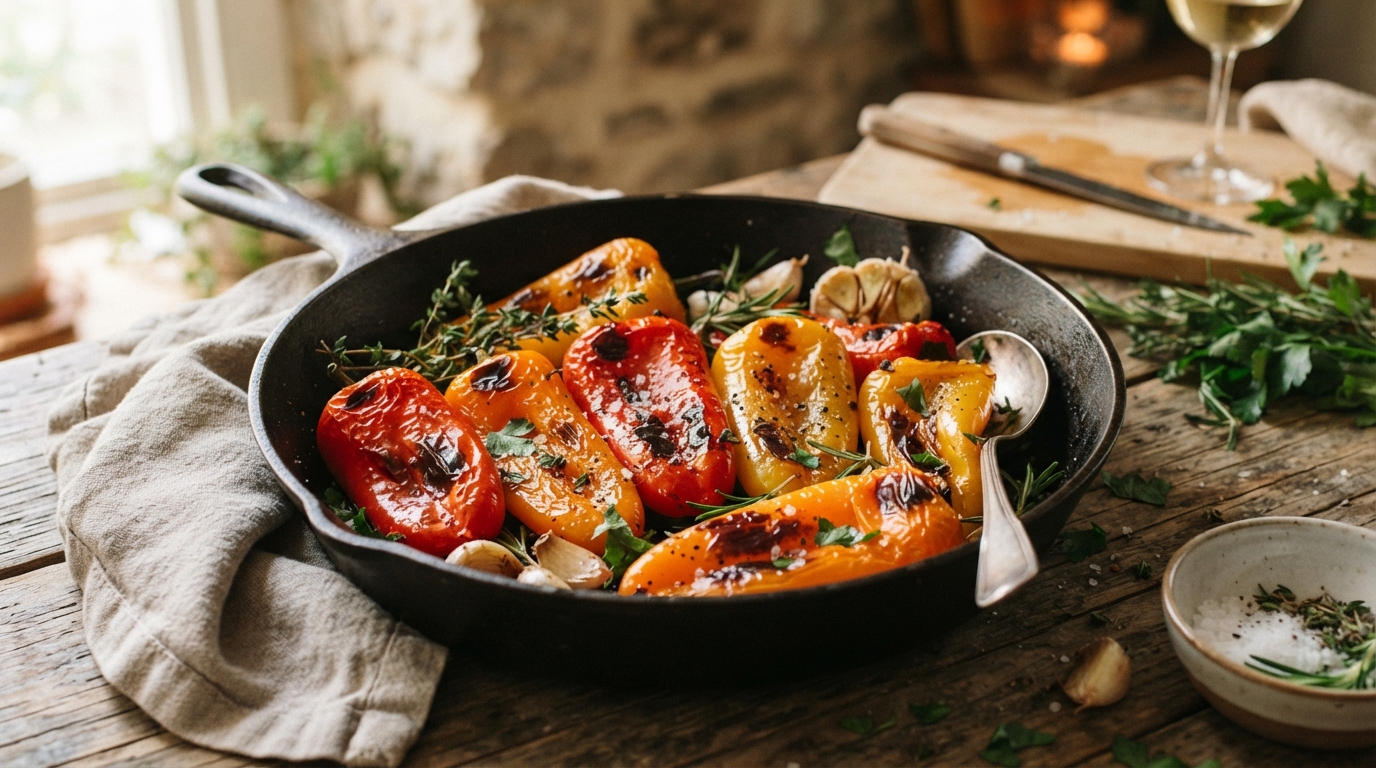
The kitchen filled with a smoky, slightly sweet aroma long before dinner was ready. On the baking tray, bright red, yellow, and orange peppers slowly transformed under high heat, their skins blistering and blackening while their natural sugars caramelized beneath the surface. What started as crisp, fresh vegetables became silky, deeply flavorful ingredients that could elevate everything from sandwiches to pasta, salads, and soups. It’s one of those simple cooking techniques that feels almost magical the first time you experience it.
Learning how to roast sweet peppers is a skill that rewards both beginner cooks and experienced home chefs. It requires very little equipment, almost no complicated preparation, and delivers impressive results every time. Roasting enhances the peppers’ sweetness, softens their texture, and adds subtle smoky notes that raw peppers simply cannot offer. Whether you’re preparing a family dinner or meal-prepping for the week, roasted sweet peppers deserve a regular place in your kitchen.
Why Roasting Changes Everything
Sweet peppers are naturally rich in water and sugars. When exposed to high heat, those sugars begin to caramelize while moisture evaporates, concentrating the vegetable’s flavor.
At the same time, the skin blisters and chars. Although many people remove the skin after roasting, that brief contact with intense heat creates the signature roasted flavor that makes peppers taste richer and more complex.
Unlike frying or boiling, roasting allows the vegetable to develop depth without requiring heavy sauces or excessive seasoning. The peppers become tender while still maintaining enough structure to work beautifully in countless dishes.
This transformation explains why roasted peppers appear in cuisines across the world. From Mediterranean appetizers to Latin American recipes and Italian pasta dishes, roasting remains one of the most reliable ways to bring out the best in sweet peppers.
Choosing the Best Sweet Peppers
The quality of the finished dish starts with selecting fresh peppers.
Look for peppers with glossy, firm skin free from wrinkles, bruises, or soft spots. They should feel heavy for their size, indicating good moisture content.
Red peppers are often considered the sweetest because they remain on the plant the longest before harvest. Yellow and orange varieties provide a milder sweetness with vibrant color, while green peppers offer a more earthy, slightly bitter flavor that changes significantly after roasting.
Using a mix of colors creates visual appeal while adding subtle differences in taste.
Preparing Peppers Before Roasting
Preparation is refreshingly simple.
Wash the peppers thoroughly under cool running water to remove any dirt or residue. Dry them completely with a clean towel, as excess moisture can interfere with proper blistering.
Some cooks roast peppers whole, while others slice them into large flat sections after removing the stem and seeds. Whole peppers retain more moisture and are especially easy to peel after steaming. Sliced peppers cook more quickly and fit neatly onto baking trays.
Either method produces excellent results, so the choice depends on how you plan to use them later.
How to Roast Sweet Peppers in the Oven
The oven remains the easiest and most consistent method for home cooks.
Preheat the oven to 450°F (230°C). Arrange the peppers on a baking tray lined with parchment paper or foil, leaving enough space for air to circulate around each piece.
If roasting whole peppers, turn them every ten minutes until all sides are blistered and blackened. This usually takes between 30 and 40 minutes depending on their size.
For sliced peppers, place them skin-side up and roast for approximately 20 to 25 minutes until the skins blister and darken.
The goal isn’t to burn the peppers completely but to create evenly charred skin while keeping the flesh tender and juicy.
The Secret Step: Let Them Steam
One of the most overlooked parts of roasting happens after the peppers leave the oven.
Immediately transfer the hot peppers into a bowl and cover it tightly with plastic wrap, a plate, or a clean kitchen towel. Alternatively, place them inside a sealed paper bag.
Allow them to steam for 10 to 15 minutes.
During this resting period, trapped steam loosens the charred skin from the flesh, making peeling remarkably easy. Skipping this step often results in unnecessary frustration when trying to remove the skin.
Peeling Without Losing Flavor
Once the peppers have cooled enough to handle, gently rub away the blistered skin using your fingers or a paper towel.
Avoid rinsing roasted peppers under running water unless absolutely necessary. Washing removes many of the flavorful natural juices that developed during roasting.
A few tiny blackened pieces left behind are perfectly acceptable and often contribute additional smoky flavor.
After peeling, remove any remaining seeds and stems before slicing or storing the peppers.
Different Roasting Methods Compared
Although the oven is the most common option, several cooking methods produce excellent roasted peppers.
| Method | Average Time | Flavor Profile | Best For |
|---|---|---|---|
| Oven | 30–40 minutes | Balanced, caramelized | Everyday cooking |
| Gas stovetop | 10–15 minutes | Deep smoky flavor | Small batches |
| Outdoor grill | 15–20 minutes | Rich char and smokiness | Summer meals |
| Broiler | 10–15 minutes | Fast blistering | Quick preparation |
| Air fryer | 12–18 minutes | Light roasting with crisp edges | Small kitchens |
Each technique creates slightly different flavors, but all rely on high heat to blister the skin and soften the flesh.
Seasoning Roasted Sweet Peppers
Freshly roasted peppers require surprisingly little seasoning.
A drizzle of extra virgin olive oil, a pinch of flaky sea salt, and freshly ground black pepper often provide everything needed.
Garlic, fresh basil, parsley, thyme, oregano, or rosemary pair naturally with roasted peppers without overpowering their sweetness.
A splash of balsamic vinegar or fresh lemon juice adds brightness, while crushed red pepper flakes introduce gentle heat for those who enjoy a little spice.
The goal is to complement the peppers rather than mask their naturally sweet flavor.
Creative Ways to Use Roasted Peppers
Roasted sweet peppers are remarkably versatile.
Layer them into sandwiches for added richness or toss them into fresh salads where their soft texture contrasts beautifully with crisp greens.
They also work exceptionally well in pasta dishes, grain bowls, homemade pizzas, omelets, wraps, tacos, and roasted vegetable platters.
Blended with garlic, olive oil, and herbs, roasted peppers become a silky pasta sauce or flavorful dip.
They’re equally delicious served alongside grilled meats, seafood, or vegetarian dishes, adding both color and depth without requiring elaborate preparation.
Because their flavor is concentrated, even a small amount can transform an otherwise simple meal.
Storing Roasted Peppers Properly
Roasted peppers keep surprisingly well when stored correctly.
Place peeled peppers in an airtight container and refrigerate them for up to five days.
For longer storage, freeze them individually on a baking tray before transferring them to freezer-safe bags. This prevents them from freezing together into one large block.
Some cooks preserve roasted peppers by covering them completely with olive oil and refrigerating them, although these should still be consumed within a few days for optimal freshness and food safety.
Having roasted peppers ready in the refrigerator makes weeknight meals significantly easier.
Common Mistakes to Avoid
Many roasting problems stem from rushing the process.
Removing peppers before the skins blister fully makes peeling difficult and limits flavor development.
Crowding the baking tray traps steam rather than allowing proper roasting, resulting in softer, less caramelized peppers.
Another common mistake is skipping the steaming stage after roasting, which causes the skin to cling stubbornly to the flesh.
Finally, avoid over-seasoning immediately after roasting. The peppers already possess naturally concentrated sweetness that deserves to remain the star of the dish.
Why Roasted Peppers Belong in Every Kitchen
Few cooking techniques offer such an impressive return for so little effort.
Roasting transforms an everyday vegetable into an ingredient that feels restaurant-quality while remaining affordable and nutritious. Sweet peppers provide vitamin C, antioxidants, fiber, and vibrant color, making them both flavorful and beneficial as part of a balanced diet.
Because they pair well with countless cuisines and recipes, learning this simple technique expands your cooking possibilities far beyond a single dish.
Once you’ve mastered roasting, you’ll likely find yourself preparing extra batches simply to keep on hand throughout the week.
Conclusion
Mastering how to roast sweet peppers is about more than following a recipe—it’s about understanding how heat unlocks flavor in one of the kitchen’s most versatile vegetables. With just a few simple steps, ordinary peppers become tender, sweet, smoky, and ready to enhance everything from appetizers to main courses.
The beauty of roasted peppers lies in their simplicity. They require little preparation, adapt to countless recipes, and consistently deliver rich, satisfying flavor. Whether you’re cooking for yourself, your family, or guests, this timeless technique proves that some of the most memorable dishes begin with the simplest ingredients handled with care.