
 By admin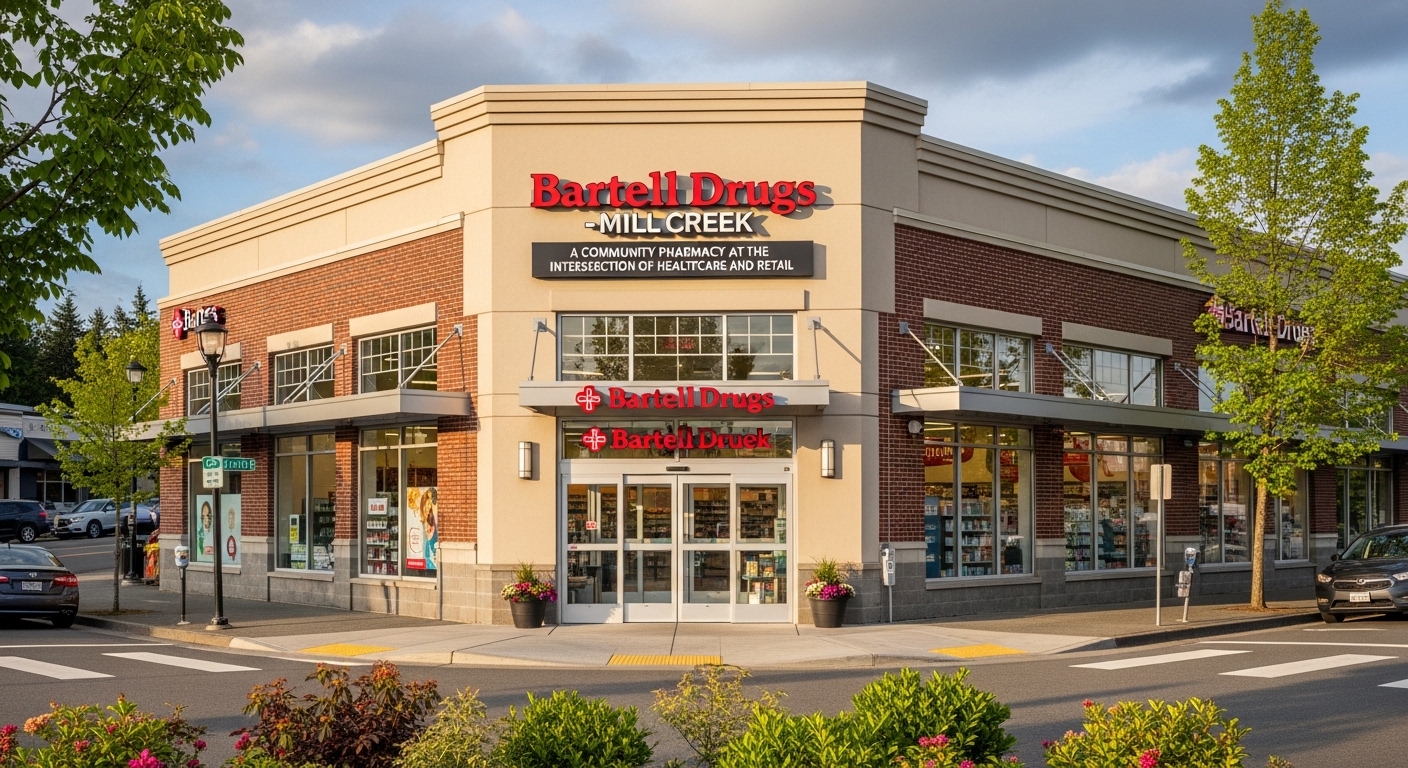
Early on a weekday morning in Mill Creek, Washington, the doors of a neighborhood pharmacy open as the first customers step inside. Some are picking up prescriptions before work, others are searching for wellness products, and a few simply stop in for everyday essentials. For many residents, this routine begins at Bartell Drugs – Mill Creek, a location that reflects how modern pharmacies have evolved into essential community hubs.
Pharmacies today are no longer just places to fill prescriptions. They serve as convenient healthcare access points, retail stores, and service centers for local communities. The story of Bartell Drugs – Mill Creek illustrates how a long-standing regional pharmacy brand continues to adapt to changing consumer needs while maintaining its role as a trusted neighborhood institution.
For entrepreneurs and business observers, the Mill Creek location offers insight into how local retail, healthcare services, and customer experience intersect in today’s evolving pharmacy landscape.
The History Behind Bartell Drugs
To understand the significance of Bartell Drugs – Mill Creek, it helps to explore the heritage of the Bartell Drugs brand.
Founded in Seattle in 1890, Bartell Drugs grew from a small neighborhood pharmacy into one of the most recognizable drugstore chains in the Pacific Northwest. For more than a century, the company maintained a reputation for community-focused service, strong customer relationships, and locally rooted retail practices.
Unlike many national pharmacy chains that expanded rapidly across the country, Bartell Drugs historically concentrated on serving Washington communities.
This regional focus helped build deep trust among customers, who often viewed Bartell stores as familiar parts of their neighborhoods.
Over time, locations like the one in Mill Creek became integral to local healthcare access.
Mill Creek: A Growing Community
Mill Creek, located in Snohomish County, Washington, has transformed significantly over the past few decades.
Originally developed as a planned suburban community, the city is now known for its residential neighborhoods, parks, and retail centers. With a steadily growing population, Mill Creek has developed a strong demand for accessible services, including healthcare and pharmacy support.
The presence of Bartell Drugs – Mill Creek reflects this demand.
As the community expanded, local pharmacies became essential not only for prescription medication but also for everyday health services.
Residents rely on nearby pharmacies for convenience, professional guidance, and quick access to wellness products.
What Services Customers Expect From Modern Pharmacies
The role of pharmacies has evolved dramatically in recent years.
Traditional prescription filling remains central, but customers now expect a much broader range of services.
At locations like Bartell Drugs – Mill Creek, pharmacies typically provide:
-
Prescription dispensing and medication consultations
-
Over-the-counter health products
-
Vaccinations and immunization services
-
Personal care and wellness items
-
Household essentials and convenience products
This blend of healthcare and retail creates a one-stop environment where customers can address multiple needs during a single visit.
For busy families and professionals, this convenience plays a major role in choosing where to shop.
The Pharmacy as a Community Health Resource
Local pharmacies often serve as the most accessible healthcare touchpoints in a community.
While hospitals and clinics require appointments, pharmacies allow walk-in interactions with trained professionals.
At Bartell Drugs – Mill Creek, pharmacists can provide guidance on medication usage, potential drug interactions, and basic health questions.
These interactions may seem small, but they contribute significantly to patient safety and public health.
For many individuals, the pharmacist is the healthcare professional they encounter most frequently.
This accessibility makes community pharmacies an important part of preventive healthcare.
Retail Innovation in Neighborhood Pharmacies
Modern pharmacies must compete not only with other local stores but also with large retail chains and online pharmacies.
As a result, companies like Bartell Drugs have explored ways to enhance the in-store experience.
Retail innovation often includes improved store layouts, expanded product selections, and digital integration for prescriptions and refills.
Customers visiting Bartell Drugs – Mill Creek may notice carefully organized aisles featuring health products, seasonal items, and everyday convenience goods.
These retail elements transform pharmacies into hybrid spaces that combine healthcare with lifestyle shopping.
Typical Pharmacy Services and Offerings
While individual locations vary, neighborhood pharmacies usually offer a mix of healthcare and retail services.
The following table highlights common services customers may expect.
| Service Category | Examples of Services |
|---|---|
| Prescription Services | Medication dispensing and refill management |
| Health Services | Vaccinations, consultations, and wellness advice |
| Retail Products | Vitamins, supplements, and personal care items |
| Convenience Goods | Snacks, beverages, and household essentials |
| Seasonal Items | Holiday goods, gifts, and specialty products |
At Bartell Drugs – Mill Creek, these offerings help meet the everyday needs of local residents while supporting broader health goals.
The Digital Transformation of Pharmacy Services
Technology has also reshaped how customers interact with pharmacies.
Mobile apps, online prescription management, and digital reminders allow customers to manage medications more efficiently.
Many pharmacy chains now offer digital services such as:
-
Online prescription refills
-
Automated pickup notifications
-
Digital health records integration
-
Telehealth support partnerships
These innovations allow locations like Bartell Drugs – Mill Creek to combine traditional in-person service with modern digital convenience.
For entrepreneurs studying retail transformation, this blend of physical and digital experiences represents a key trend in healthcare commerce.
Challenges Facing Community Pharmacies
Despite their importance, community pharmacies face several challenges in the modern retail environment.
Competition from large national chains and online pharmacy services continues to grow.
E-commerce platforms increasingly offer prescription delivery services, which can reduce foot traffic to physical stores.
Additionally, pharmacies must navigate complex healthcare regulations and insurance systems.
Locations such as Bartell Drugs – Mill Creek must balance operational efficiency with the personal service customers expect from neighborhood pharmacies.
Successfully addressing these challenges requires both innovation and strong community relationships.
The Importance of Local Trust
One factor that continues to distinguish community pharmacies is trust.
Customers often build long-term relationships with local pharmacists who become familiar with their medical histories and personal preferences.
This level of personalized service is difficult for purely digital platforms to replicate.
For residents in Mill Creek, the familiarity of Bartell Drugs – Mill Creek can provide reassurance when managing medications or seeking health advice.
In an increasingly automated world, human interaction remains a powerful advantage for neighborhood healthcare providers.
How Pharmacies Fit Into the Future of Healthcare
Healthcare systems around the world are evolving toward more decentralized models.
Instead of relying exclusively on hospitals and clinics, healthcare providers are exploring ways to distribute services across accessible community locations.
Pharmacies are uniquely positioned to support this shift.
With trained pharmacists, existing retail infrastructure, and convenient locations, stores like Bartell Drugs – Mill Creek can deliver essential services closer to where people live.
Future developments may include expanded diagnostic services, remote healthcare integration, and enhanced wellness programs within pharmacy settings.
Conclusion: A Neighborhood Institution in a Changing Industry
Pharmacies have long been a cornerstone of community life. They provide not only medications but also trusted guidance, convenient services, and everyday essentials.
The story of Bartell Drugs – Mill Creek illustrates how a local pharmacy can evolve alongside changing consumer expectations while maintaining its community-focused roots.
For entrepreneurs and business observers, the location offers an example of how traditional retail models adapt within a rapidly changing healthcare landscape.
As technology, healthcare delivery, and consumer habits continue to evolve, neighborhood pharmacies will remain essential connectors between communities and the broader healthcare system.
In Mill Creek, that connection continues every day—one customer, one prescription, and one conversation at a time.