
 By admin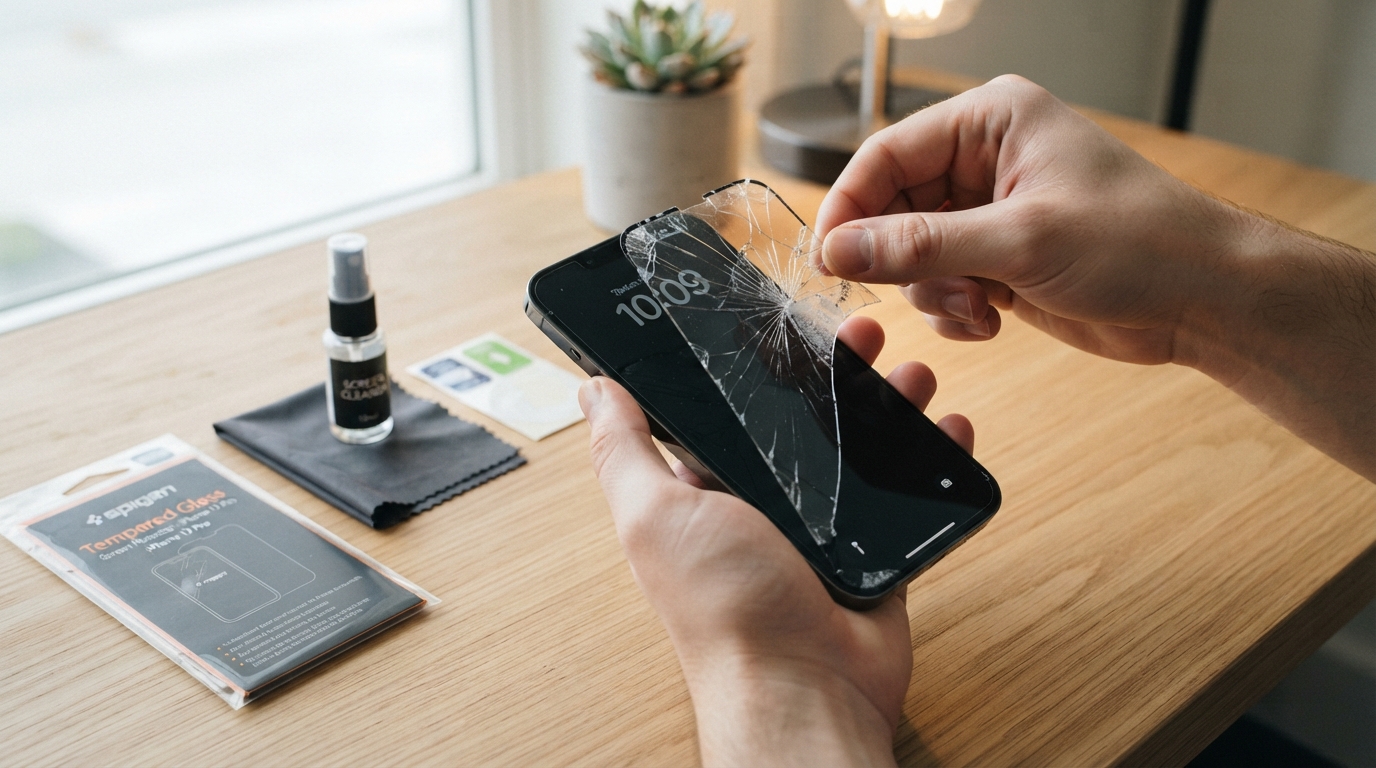
The moment you notice a crack spreading across your phone screen, your heart probably skips a beat. For a few anxious seconds, you wonder whether you’ve just damaged an expensive display. Then comes the relief—you realize it’s only the screen protector that’s broken.It happens every day. A phone slips from a pocket onto concrete, gets knocked off a desk, or lands face-down on a tiled floor. While the impact may seem dramatic, the screen protector often absorbs the force exactly as it was designed to do. Still, many people immediately search for how to fix broken screen protector, hoping there’s a simple way to restore it without buying a new one.
The reality is more nuanced. Some types of damage can be managed temporarily, while others mean replacement is the safest and most practical option. Understanding the difference can save money, protect your device, and prevent unnecessary frustration. This guide explains what actually works, what doesn’t, and how to keep your phone protected for the long term.
Why Screen Protectors Break in the First Place
A broken screen protector is rarely a sign of poor quality. In fact, it often indicates that the protector has successfully absorbed an impact that might otherwise have cracked the phone’s display.
Tempered glass protectors are engineered to distribute shock across their surface. Instead of allowing energy to reach the phone’s screen, they fracture in controlled patterns. Plastic film protectors behave differently. Rather than cracking, they usually develop scratches, bubbles, or peeling edges after repeated use.
Daily wear also plays a role. Constant pressure inside pockets, accidental drops, temperature fluctuations, and repeated contact with hard objects all gradually weaken protective materials. Even a protector that has never experienced a major fall can eventually become vulnerable to small cracks or lifted corners.
Can You Actually Fix a Broken Screen Protector?
This is the question most people ask first, but the answer depends entirely on the type and severity of the damage.
If the protector is made from tempered glass and has visible cracks, there is no true repair method. Unlike a windshield, tempered glass cannot be restored once its internal structure has fractured. Any solution claiming to permanently repair cracked tempered glass is simply masking the appearance rather than restoring its strength.
Minor cosmetic problems, however, are a different story. Small air bubbles, lifting edges, fingerprints trapped underneath, or slight adhesive issues can often be corrected without replacing the protector immediately.
Understanding what kind of damage you’re dealing with is the first step toward choosing the right solution.
Assess the Damage Before Taking Action
Before attempting any repair, inspect both the protector and the phone underneath.
Turn off the display and examine the surface under bright lighting. If the cracks disappear after removing the protector, your actual screen is likely unharmed. If cracks remain visible on the phone itself, the display may also be damaged and should be evaluated before applying another protector.
The following table helps determine the best course of action.
| Damage Type | Can It Be Fixed? | Recommended Action |
|---|---|---|
| Small air bubbles | Yes | Reapply pressure or lift and reinstall carefully |
| Lifted corners | Sometimes | Clean the edge and press back into place |
| Scratches on film protector | Occasionally | Replace if visibility is affected |
| Cracked tempered glass | No | Replace immediately |
| Multiple deep fractures | No | Remove and install a new protector |
| Loose adhesive across the surface | Rarely | Replacement provides better protection |
Making this distinction prevents wasting time on repairs that simply won’t last.
Temporary Ways to Manage Minor Damage
Not every imperfection requires immediate replacement. If your screen protector has only cosmetic issues, there are several temporary measures that may improve its appearance.
For small bubbles, gently pushing them toward the nearest edge with a microfiber cloth or a plastic card wrapped in soft fabric often works well. Applying steady pressure instead of quick movements helps avoid creating new bubbles.
If one corner has begun lifting, carefully clean away dust using adhesive tape or a dust-removal sticker before pressing the protector back into place. Dirt trapped beneath the edge is usually the reason it refuses to stick.
Some users apply a tiny amount of screen-safe adhesive around lifted edges, although this should only be considered a short-term solution. Excess adhesive can seep underneath the protector or reach the phone itself, creating more problems than it solves.
These methods improve appearance but do not restore structural protection if the glass itself has cracked.
Why DIY Crack Repair Usually Doesn’t Work
The internet is filled with creative suggestions involving clear nail polish, super glue, toothpaste, vegetable oil, resin, or even baking soda.
While these ideas may temporarily hide visible cracks, they do not repair the tempered glass. More importantly, many of these substances reduce touch sensitivity, create cloudy spots, interfere with fingerprint sensors, or leave sticky residue that becomes difficult to remove later.
Super glue is particularly risky. If it leaks around the edges, it may permanently bond the protector to the phone or damage surface coatings on the display.
Professional technicians generally recommend avoiding these shortcuts because they solve only the cosmetic problem while eliminating the protector’s ability to absorb future impacts.
When Replacement Is the Smarter Choice
Sometimes replacing the protector isn’t simply recommended—it’s necessary.
A cracked protector no longer distributes impact as designed. The next drop may transfer force directly to the phone’s display instead of sacrificing itself.
Replacement is the better option when cracks spread across multiple areas, pieces begin separating, touch sensitivity decreases, sharp edges appear, or visibility becomes distracting during everyday use.
Fortunately, modern screen protectors are inexpensive compared to replacing an entire smartphone display. Spending a small amount on a new protector often prevents much larger repair bills later.
How to Replace a Broken Screen Protector Properly
Removing a damaged protector is easier than many people expect.
Begin by powering off the phone. Lift one corner using a fingernail or a thin plastic card rather than metal tools that might scratch the screen. Slowly peel the protector away without forcing it.
After removal, clean the display thoroughly using a microfiber cloth and an alcohol-based screen wipe. Every speck of dust matters during installation.
When applying the new protector, align it carefully before lowering it onto the screen. Most tempered glass protectors naturally adhere from the center outward. Minor bubbles typically disappear after gentle pressure.
Taking an extra minute during installation often produces professional-looking results without requiring special equipment.
Preventing Future Screen Protector Damage
No screen protector lasts forever, but thoughtful habits significantly increase its lifespan.
Avoid placing your phone in the same pocket as keys, coins, or other metal objects. These create constant pressure and fine scratches that weaken protective materials over time.
Using a quality phone case also reduces stress on the protector during accidental drops. Cases with slightly raised edges help prevent direct contact between the screen and hard surfaces.
Regular cleaning is equally important. Dust trapped around the edges slowly works underneath the adhesive, leading to lifting corners and reduced durability.
Finally, replace protectors proactively if they become heavily scratched. Even without visible cracks, worn protectors provide less reliable impact protection than new ones.
Choosing a Better Replacement
If your current protector failed quickly, it may be worth upgrading instead of buying the same model again.
High-quality tempered glass typically offers stronger impact resistance, better oleophobic coatings that resist fingerprints, smoother touch performance, and improved clarity.
Privacy protectors add viewing-angle protection for sensitive information, while matte protectors reduce glare for outdoor use. Hybrid protectors combine flexible materials with improved durability for users who frequently drop their phones.
Rather than focusing solely on price, consider how and where you use your device. A commuter who regularly travels outdoors may benefit from different features than someone who primarily uses their phone at home or in an office.
Final Thoughts
Searching for how to fix broken screen protector is understandable because replacing one feels like an inconvenience. However, the purpose of a screen protector is to sacrifice itself so your phone doesn’t have to. Once tempered glass has cracked, it has already completed its job.
Temporary fixes can improve appearance when dealing with bubbles or lifted edges, but they cannot restore the protective strength of fractured glass. In most cases, replacing the damaged protector is the safest, simplest, and most cost-effective decision.
Think of a broken screen protector as evidence that your investment worked. A few dollars spent on a replacement today can prevent hundreds in display repair costs tomorrow. Instead of seeing a cracked protector as a failure, view it as proof that the real screen underneath remained protected when it mattered most.