
 By admin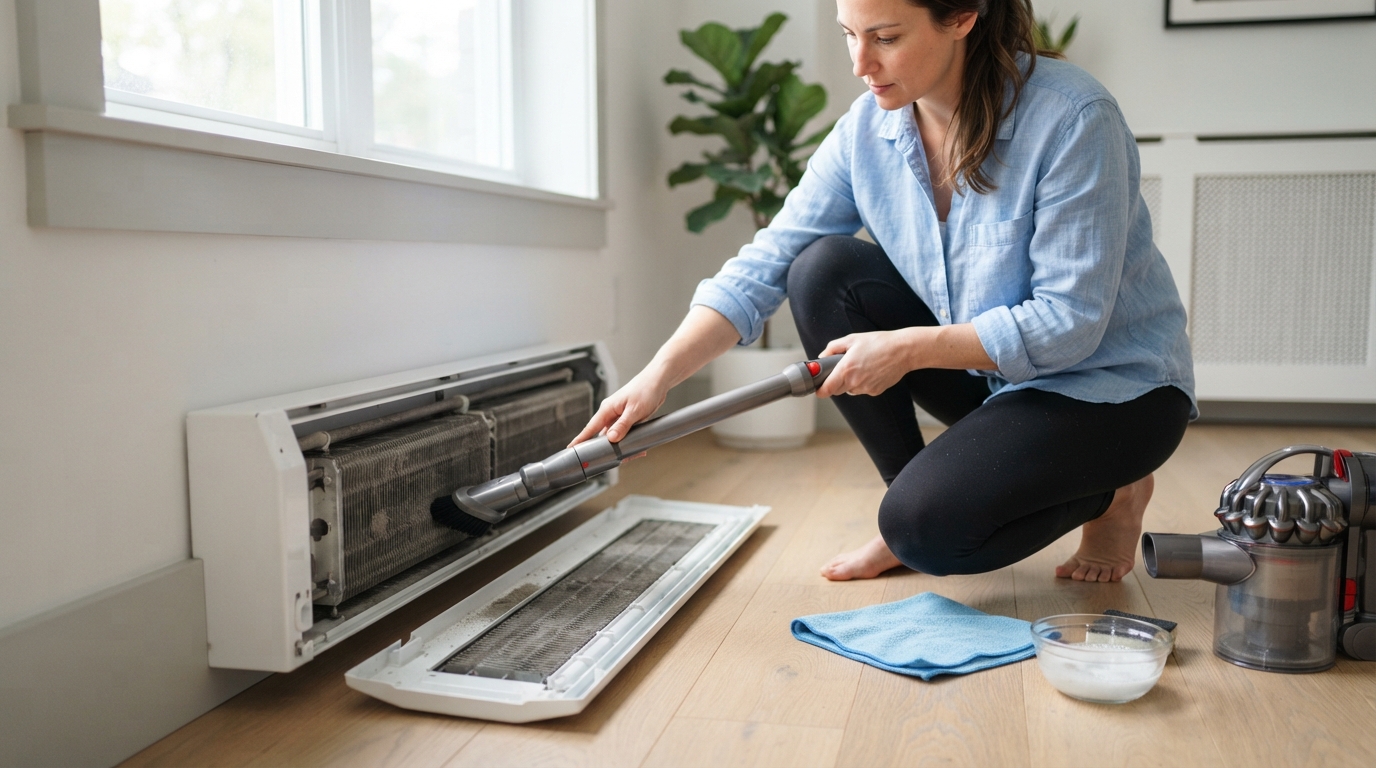
The first cold morning of the season often begins the same way. You turn on the heat, expecting a cozy home, but instead you’re greeted by a faint burning smell and a cloud of dust drifting through the room. It’s easy to assume something is wrong with the heating system. More often than not, however, the culprit is much simpler: baseboard heaters that have quietly collected months of dust, pet hair, and debris.If you’ve been searching for how to clean baseboard heaters, you’re already taking an important step toward improving both your home’s comfort and the efficiency of its heating system. Baseboard heaters work by drawing cool air in, warming it, and circulating it back into the room. When dust and dirt build up inside the unit, airflow becomes restricted, forcing the heater to work harder while spreading allergens throughout your living space.
Fortunately, cleaning baseboard heaters isn’t a difficult project. It requires patience more than technical skill, and the rewards extend well beyond a cleaner-looking heater. Better airflow, lower energy consumption, quieter operation, and improved indoor air quality all begin with regular maintenance. Understanding the right approach helps protect both your heating system and your home.
Why Baseboard Heaters Collect So Much Dust
Unlike many household appliances, baseboard heaters sit close to the floor, exactly where dust naturally settles. Every day, tiny particles from carpets, clothing, furniture, and outdoor air drift downward. Pet hair, lint, pollen, and even cooking residue gradually accumulate inside the heater’s metal housing.
When the heater operates, convection pulls cool air through the lower vents. As that air moves across the heating element, it carries dust deeper into the unit. Over an entire heating season, layers of debris can build up without being visible from the outside.
The result isn’t just cosmetic. Dust acts as insulation around heating components, reducing efficiency and creating the familiar burning odor many homeowners notice after switching the system on for the first time in months.
Regular cleaning prevents this buildup before it becomes a larger problem.
Understanding the Type of Baseboard Heater You Have
Before beginning any cleaning routine, it’s worth identifying your heating system.
Electric baseboard heaters contain metal heating elements powered by electricity. Hydronic baseboard heaters, by contrast, circulate hot water through enclosed pipes to warm the surrounding air. While both styles share similar exterior designs, the cleaning approach differs slightly because of their internal components.
Fortunately, most visible maintenance remains the same. Dust, lint, and debris collect on the outer housing and air channels regardless of the heating method. Knowing the difference simply helps you avoid disturbing sensitive electrical parts or plumbing connections during cleaning.
Safety Comes Before Cleaning
The temptation to grab a vacuum and begin immediately is understandable, but taking a few safety precautions is essential.
If you’re cleaning electric baseboard heaters, switch off power at the circuit breaker rather than relying solely on the thermostat. This eliminates the risk of accidental heating while you’re working.
For hydronic systems, ensure the heater has cooled completely before opening any covers or reaching inside.
Allowing the unit to cool also prevents dust from becoming airborne due to rising warm air, making the cleaning process more effective and comfortable.
A few extra minutes of preparation can prevent unnecessary accidents and protect delicate heating components.
Gather the Right Cleaning Tools
One reason many people postpone this task is the misconception that specialized equipment is required. In reality, most homeowners already have everything they need.
A vacuum cleaner with a brush attachment removes loose debris effectively without damaging metal surfaces. A microfiber cloth captures fine dust while reducing static, and a soft paintbrush works well for reaching between narrow heating fins. Warm water mixed with a mild household detergent is generally sufficient for wiping exterior surfaces.
Avoid abrasive scrubbers or harsh chemical cleaners. Strong solvents may damage painted finishes or protective coatings, particularly on older heaters.
Using gentle tools helps preserve both appearance and performance.
How to Clean Baseboard Heaters Properly
Cleaning becomes much easier when approached methodically rather than rushing through the process.
Start by removing or opening the front cover according to the manufacturer’s design. Many covers lift upward before pulling away from the wall, exposing the internal heating element.
Use the vacuum’s brush attachment to remove loose dust from inside the housing. Pay close attention to corners where pet hair and lint tend to collect. A soft paintbrush helps loosen stubborn debris trapped between metal fins while the vacuum captures it immediately.
Once loose material has been removed, wipe the outer housing with a slightly damp microfiber cloth. Stubborn spots can usually be cleaned with mild soap and water, but avoid excessive moisture around electrical components.
Before replacing the cover, inspect the heater for bent fins, loose hardware, or signs of corrosion. Catching small issues early often prevents larger repairs later.
Common Cleaning Mistakes to Avoid
Many well-intentioned homeowners accidentally create new problems while trying to improve heater performance.
Using compressed air indoors may seem like an efficient solution, but it often blasts dust deeper into the room instead of removing it. Excessive water presents another risk, particularly around electric heating elements and wiring.
Some people insert metal tools into narrow openings to scrape away debris. This can bend heating fins, reducing airflow and affecting heat distribution.
Cleaning while the heater is still warm also increases the likelihood of dust circulating throughout the room instead of being collected.
Taking a slower, gentler approach usually produces better results while protecting the equipment.
How Often Should Baseboard Heaters Be Cleaned?
Cleaning frequency depends largely on the home’s environment.
| Household Condition | Recommended Cleaning Schedule |
|---|---|
| Average household | Twice per year |
| Homes with pets | Every 2–3 months |
| High-dust environments | Every 2–3 months |
| Allergy-sensitive households | Monthly light dusting, deep cleaning twice yearly |
| Before winter heating season | Always recommended |
| After renovation or construction | Immediately after work is completed |
A thorough cleaning before winter ensures maximum efficiency throughout the heating season. A second cleaning after winter removes accumulated dust before the heater sits unused during warmer months.
Homes with multiple pets, heavy foot traffic, or ongoing renovations benefit from more frequent maintenance.
The Hidden Benefits of Regular Cleaning
Many homeowners clean their heaters simply to eliminate unpleasant odors, but the benefits extend much further.
Improved airflow allows the heater to distribute warmth more evenly throughout the room. Because less dust surrounds the heating element, the system transfers heat more efficiently, potentially reducing energy consumption.
Cleaner heaters also contribute to healthier indoor air. Dust, pollen, pet dander, and other allergens are less likely to circulate each time the heating system operates.
Noise reduction is another overlooked advantage. Vibrations caused by accumulated debris or trapped objects often disappear once the interior has been thoroughly cleaned.
These improvements make routine maintenance one of the simplest ways to enhance home comfort without investing in expensive upgrades.
When Cleaning Isn’t Enough
Occasionally, poor heater performance has little to do with dust.
If the unit remains cold, produces uneven heat, trips circuit breakers, leaks water, or makes persistent buzzing sounds after cleaning, a mechanical or electrical issue may be responsible.
Likewise, visible corrosion, damaged wiring, or overheating should never be ignored. Continuing to operate a faulty heater can reduce efficiency and create unnecessary safety risks.
In these situations, professional inspection is the safest course of action. Cleaning supports normal operation, but it cannot repair worn components or electrical faults.
Building a Seasonal Maintenance Routine
The easiest way to avoid major dust accumulation is to treat heater cleaning as part of your regular household maintenance rather than waiting until problems appear.
Many homeowners pair the task with seasonal activities such as changing HVAC filters, testing smoke detectors, or preparing the home for winter. This creates a predictable routine that’s easy to remember.
Keeping furniture several inches away from baseboard heaters also improves airflow while reducing the amount of dust trapped around the unit. Vacuuming nearby flooring regularly further limits the debris available to enter the heater in the first place.
Small habits maintained throughout the year reduce the need for lengthy deep-cleaning sessions later.
Conclusion
Learning how to clean baseboard heaters is about more than maintaining appearances. It’s one of the simplest ways to improve heating efficiency, reduce airborne dust, eliminate unpleasant odors, and help your heating system perform as intended.
Fortunately, the process requires neither advanced skills nor expensive equipment. With careful preparation, gentle cleaning techniques, and a consistent maintenance schedule, baseboard heaters can continue providing reliable warmth season after season.
Rather than waiting for dust, odors, or poor performance to remind you it’s time for maintenance, consider regular cleaning an investment in your home’s comfort. A heater free of debris works more efficiently, distributes heat more evenly, and contributes to a cleaner indoor environment—benefits that become especially valuable when colder weather arrives.