
 By admin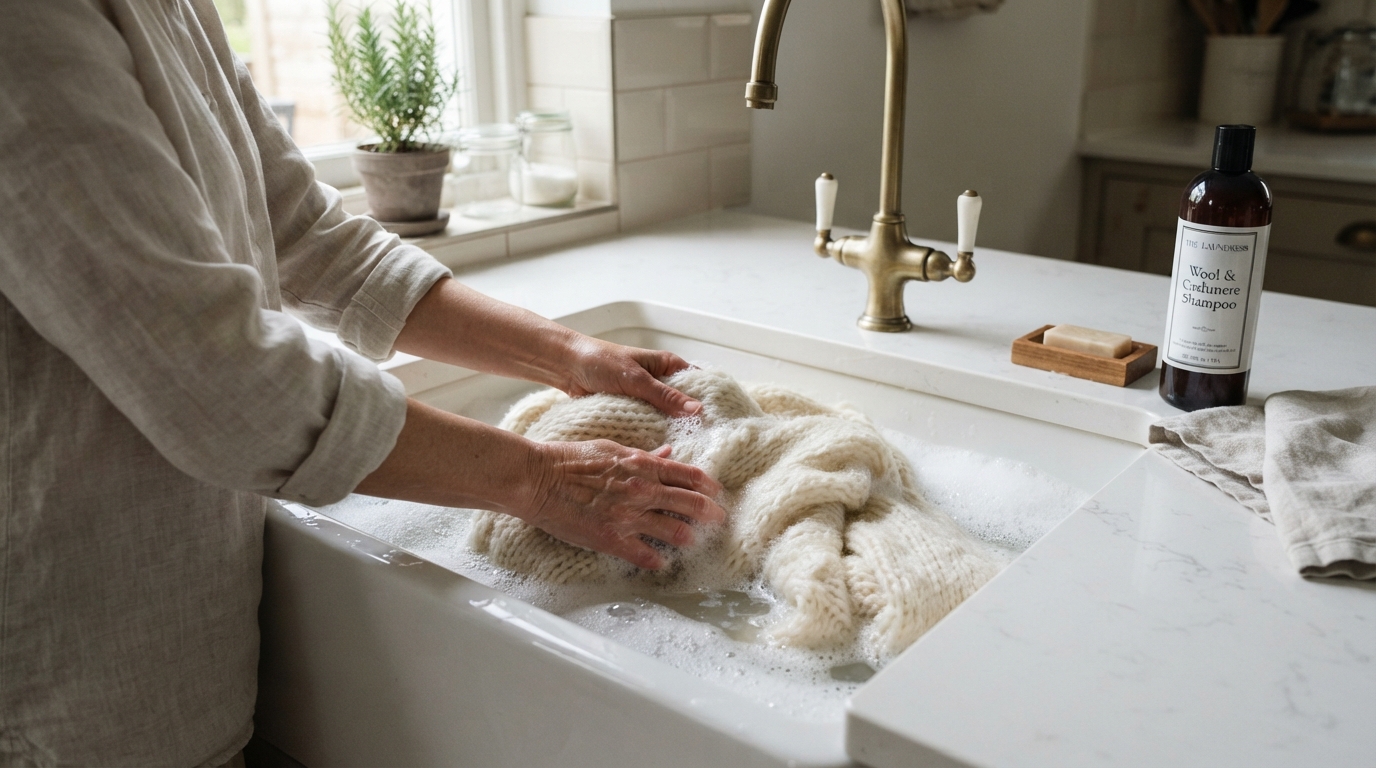
It was the kind of blanket that carried memories as much as warmth. Draped over the back of a favorite chair through winter evenings and folded neatly at the foot of the bed during warmer months, it had become part of the home itself. But after years of use, a familiar question emerged every owner eventually faces: how do you clean something so soft and comforting without ruining it? The fear of shrinking, felting, or losing that luxurious texture often leads people to postpone washing altogether.
Learning how to wash wool blanket properly removes that uncertainty. Wool is a remarkable natural fiber known for its durability, insulation, and moisture-wicking qualities, but it also requires thoughtful care. Unlike synthetic materials that can tolerate rough handling, wool responds best to gentle cleaning methods that preserve its natural structure. With the right approach, a quality wool blanket can remain soft, fresh, and beautiful for decades.
Why Wool Requires Special Care
Wool is unlike almost any other fabric found in the home. Each fiber contains microscopic scales that naturally trap air, providing excellent insulation while remaining breathable.
Those same scales, however, make wool sensitive to heat, excessive agitation, and sudden temperature changes. When exposed to harsh washing conditions, the fibers begin to interlock permanently in a process known as felting. The result is a blanket that becomes smaller, thicker, and noticeably less soft.
Understanding this unique characteristic explains why caring for wool is less about frequent washing and more about gentle maintenance.
Fortunately, wool naturally resists odors and stains better than many fabrics, meaning it often needs cleaning less frequently than cotton or fleece blankets.
Check the Care Label Before Anything Else
Every wool blanket deserves individual attention because not all wool is processed the same way.
Before washing, locate the manufacturer’s care label. Some blankets are made from untreated pure wool that requires hand washing or professional dry cleaning, while others are labeled as machine washable because they’ve undergone special treatments.
The label also provides guidance about water temperature, detergent recommendations, drying methods, and whether dry cleaning is advised.
Ignoring these instructions can shorten the blanket’s lifespan considerably, even if the washing process seems gentle.
Decide Whether the Blanket Actually Needs Washing
One of the advantages of wool is that it doesn’t require constant laundering.
If the blanket simply smells slightly stale after being stored, hanging it outdoors in fresh air for several hours often restores its freshness naturally.
Minor spills can usually be addressed with spot cleaning instead of washing the entire blanket.
Frequent washing, even when done correctly, gradually wears natural fibers over time. Cleaning only when necessary helps preserve the blanket’s softness and durability for many years.
Gather the Right Cleaning Supplies
Washing wool successfully starts with using products designed for delicate natural fibers.
A mild wool-safe detergent is essential because ordinary laundry detergents often contain enzymes and strong cleaning agents that can damage wool.
Avoid bleach, fabric softeners, and harsh stain removers, as these products weaken fibers and alter the blanket’s texture.
You’ll also need clean towels for removing excess moisture and a flat drying surface large enough to support the blanket without stretching it.
Preparation makes the entire cleaning process smoother and reduces unnecessary handling.
How to Wash Wool Blanket by Hand
Hand washing remains the safest method for most wool blankets.
Fill a clean bathtub, sink, or large basin with cool or lukewarm water. Add a small amount of wool detergent and gently mix it into the water before placing the blanket inside.
Submerge the blanket completely and press it gently beneath the surface without twisting, wringing, or scrubbing. Allow it to soak for approximately 10 to 15 minutes so the detergent can loosen dirt naturally.
After soaking, carefully drain the soapy water and refill the basin with clean water of a similar temperature. Sudden temperature changes may shock the fibers, so consistency is important.
Continue rinsing until all detergent has been removed.
Throughout the process, let the water do most of the work rather than relying on vigorous movement.
Can You Machine Wash a Wool Blanket?
Some modern wool blankets are specifically labeled as machine washable.
If the care label permits machine washing, use the washing machine’s wool or delicate cycle with cold water and the lowest possible spin speed.
Place the blanket inside a large mesh laundry bag if available. This reduces friction against the drum and minimizes stretching.
Wash the blanket separately or only with similarly delicate items to prevent damage from heavier garments.
Even when machine washing is approved, using gentle settings remains essential for preserving the blanket’s quality.
Removing Excess Water Safely
After washing, resist the temptation to wring out the blanket.
Twisting wool places excessive stress on the fibers and can permanently distort its shape.
Instead, lift the blanket carefully while supporting its weight evenly. Lay it flat on a clean towel and roll both together into a loose cylinder. Gentle pressure from the towel absorbs much of the excess water without harming the fabric.
Repeat with additional dry towels if necessary.
This method significantly shortens drying time while protecting the blanket’s structure.
Drying Is Just as Important as Washing
Improper drying causes many wool blankets to lose their original appearance.
Lay the damp blanket flat on a drying rack, large table, or clean towels in a well-ventilated room. Smooth it gently into its original dimensions while it remains damp.
Avoid hanging wool blankets over clotheslines because the weight of the water stretches the fibers unevenly.
Direct sunlight and high heat from radiators or tumble dryers should also be avoided, as excessive heat can cause shrinkage and weaken natural fibers.
Patience is key. Depending on the blanket’s thickness, complete drying may take one or two days.
Spot Cleaning Small Stains
Not every stain requires a full wash.
Blot fresh spills immediately using a clean, absorbent cloth rather than rubbing the fabric.
Apply a small amount of diluted wool detergent to the affected area and gently dab until the stain begins to lift.
Afterward, blot again with clean water to remove detergent residue before allowing the area to air dry naturally.
Prompt attention often prevents stains from setting permanently while reducing unnecessary wear from repeated washing.
A Quick Wool Blanket Care Guide
| Care Task | Recommended Method | Why It Works |
|---|---|---|
| Routine cleaning | Air outdoors regularly | Removes odors naturally |
| Minor stains | Spot clean immediately | Prevents permanent staining |
| Full washing | Hand wash or wool cycle | Protects delicate fibers |
| Water temperature | Cool or lukewarm | Reduces risk of shrinkage |
| Drying | Lay flat to air dry | Maintains shape and softness |
| Storage | Clean, dry, breathable container | Prevents moisture and pests |
Storing a Wool Blanket Between Seasons
Proper storage extends the life of any wool blanket.
Always ensure the blanket is completely dry before storing it. Even small amounts of trapped moisture encourage mildew and unpleasant odors.
Fold the blanket neatly and place it inside a breathable cotton storage bag rather than an airtight plastic container. Wool benefits from airflow, especially during long-term storage.
Natural cedar blocks or lavender sachets help discourage moths without exposing the blanket to harsh chemical treatments.
Choosing a cool, dry storage location protects the fibers until the blanket is needed again.
Common Mistakes That Damage Wool
Many blanket owners unintentionally shorten the lifespan of their wool simply by treating it like ordinary laundry.
Using hot water, selecting aggressive wash cycles, applying bleach, or drying in high heat are among the most common causes of irreversible damage.
Overwashing also deserves attention. Wool possesses natural antibacterial and odor-resistant properties, making frequent laundering unnecessary.
Another mistake involves hanging heavy wet blankets to dry, which often stretches them beyond their original shape.
Understanding what not to do is just as valuable as learning proper cleaning techniques.
Keeping Your Blanket Beautiful for Years
High-quality wool blankets are often passed from one generation to the next because natural wool remains exceptionally durable when cared for correctly.
Simple habits such as airing the blanket regularly, cleaning stains promptly, washing gently, and storing it properly contribute far more to longevity than expensive cleaning products.
With minimal effort, a wool blanket can continue providing warmth, comfort, and timeless style for many years while maintaining the softness that makes it so enjoyable to use.
Conclusion
Mastering how to wash wool blanket properly is less about complicated techniques and more about respecting the unique qualities of natural wool. Gentle cleaning, careful drying, and thoughtful storage preserve the blanket’s softness, shape, and warmth while preventing the shrinkage and damage that often result from conventional washing methods.
A well-made wool blanket is more than just household bedding—it is an investment in comfort. By caring for it with patience and the right methods, you’ll enjoy its warmth and beauty through countless seasons, ensuring it remains a trusted companion for years to come.