
 By admin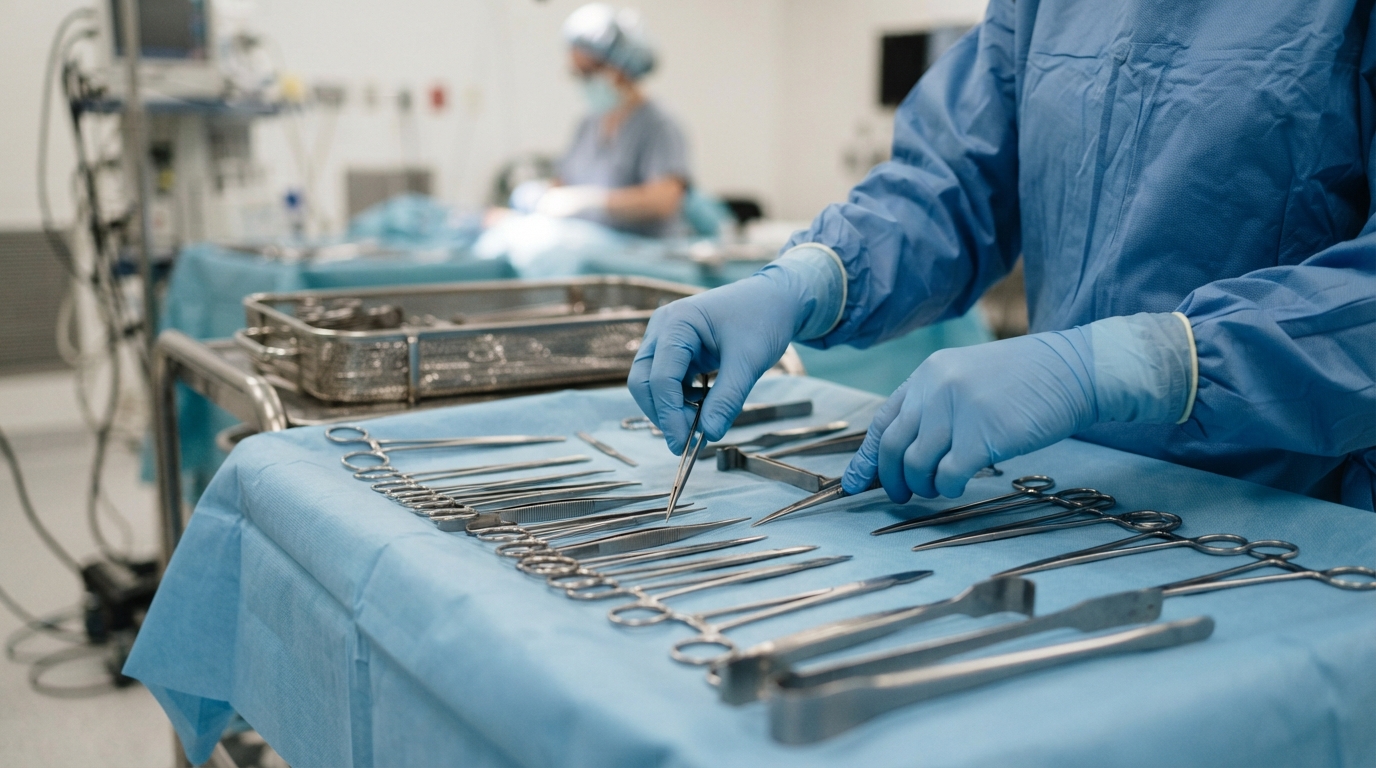
The operating room is often described as one of the most demanding environments in healthcare. Every movement is deliberate, every instrument has a purpose, and every member of the surgical team plays a role that can directly influence a patient’s outcome. While surgeons and nurses naturally receive much of the public attention, another professional works quietly behind the scenes, ensuring every procedure begins and ends with precision. That professional is the surgical technologist.
For those exploring surgical tech jobs, the career offers a unique combination of technical expertise, teamwork, and meaningful patient impact. It’s a profession that appeals to individuals who thrive in fast-paced settings, enjoy problem-solving, and want to contribute to healthcare without becoming a physician or registered nurse. As healthcare systems continue to expand and surgical procedures become increasingly specialized, skilled surgical technologists remain an essential part of modern operating rooms.
Whether you’re considering entering the field or looking to advance your career, understanding what surgical tech jobs involve provides valuable insight into one of healthcare’s most rewarding support professions.
What Does a Surgical Technologist Do?
A surgical technologist, often called a surgical tech, prepares operating rooms before surgery, assists during procedures, and helps maintain a sterile environment throughout every operation.
Long before the patient enters the operating room, surgical technologists inspect equipment, arrange sterile instruments, verify supplies, and ensure every item needed for the procedure is available. During surgery, they pass instruments to the surgeon, anticipate upcoming needs, handle specimens correctly, and help maintain strict infection-control standards.
Their responsibilities continue after surgery as well. Surgical technologists assist with instrument counts, prepare equipment for sterilization, and help reset the operating room for the next procedure.
The position requires constant focus, attention to detail, and the ability to remain calm under pressure.
Why Surgical Tech Jobs Are in Demand
Healthcare continues to evolve as populations grow older and medical technology advances. These changes have increased the number of surgical procedures performed in hospitals, outpatient centers, and specialty clinics.
An aging population often requires orthopedic procedures, cardiovascular treatments, cataract surgeries, and other operations that depend on skilled surgical teams. At the same time, improvements in minimally invasive techniques have expanded surgical options for many patients.
As surgical services grow, healthcare employers continue seeking qualified professionals who can support safe and efficient operating room workflows.
The demand extends beyond large hospitals, creating opportunities across a variety of healthcare settings.
Where Surgical Technologists Work
Although hospitals remain the largest employer, surgical technologists work in many different medical environments.
| Workplace | Typical Responsibilities |
|---|---|
| Hospitals | General and specialized surgical procedures |
| Outpatient surgery centers | Same-day elective surgeries |
| Specialty clinics | Procedure-specific surgical support |
| Labor and delivery units | Cesarean sections and emergency procedures |
| Physician offices | Minor surgical procedures |
| Military and government facilities | Surgical care for service members and veterans |
Each setting offers different schedules, patient populations, and specialties, allowing professionals to choose an environment that aligns with their interests and lifestyle.
Education Requirements
One reason many people pursue surgical tech jobs is the relatively direct educational pathway.
Most employers require completion of an accredited surgical technology program offered through community colleges, vocational schools, or technical institutes. These programs typically take between one and two years to complete, depending on whether students pursue a diploma, certificate, or associate degree.
Training combines classroom instruction with clinical experience. Students study anatomy, physiology, microbiology, pharmacology, medical terminology, surgical procedures, sterile techniques, and patient safety before gaining hands-on experience in real operating rooms.
Clinical rotations provide valuable exposure to multiple surgical specialties while helping students build confidence under professional supervision.
Certification and Professional Credentials
While certification requirements vary by employer and state, many healthcare organizations prefer candidates who hold nationally recognized credentials.
Certification demonstrates knowledge of surgical procedures, sterile practices, infection prevention, patient safety, and professional standards.
Maintaining certification often involves continuing education, encouraging professionals to stay current with evolving surgical techniques and medical technology.
Holding recognized credentials may also improve employment opportunities and career advancement.
Essential Skills for Success
Technical knowledge alone isn’t enough to succeed in an operating room.
Surgical technologists must communicate effectively with surgeons, nurses, anesthesiologists, and other healthcare professionals while remaining focused during high-pressure situations.
Attention to detail is perhaps the profession’s defining characteristic. Instrument counts, sterile field management, and equipment preparation leave little room for error.
Physical stamina is equally important. Surgical procedures may last several hours, requiring prolonged standing and sustained concentration.
Problem-solving, adaptability, manual dexterity, and emotional resilience further distinguish successful professionals in this demanding environment.
Daily Life in the Operating Room
No two days are exactly alike.
A surgical technologist may begin the morning preparing an operating room for an orthopedic joint replacement before assisting with a laparoscopic gallbladder removal later in the day. Emergency surgeries can interrupt planned schedules without warning, requiring rapid preparation and calm execution.
During procedures, experienced surgical technologists often anticipate the surgeon’s next move before instruments are requested. This rhythm develops through repetition, observation, and deep familiarity with specific procedures.
Although much of the work occurs behind surgical masks and sterile drapes, every contribution supports patient safety and procedural efficiency.
Salary Expectations and Career Outlook
Compensation for surgical tech jobs varies depending on geographic location, employer type, education, certification, and years of experience.
Professionals working in metropolitan hospitals or specialized surgical centers often earn higher salaries than those employed in smaller healthcare facilities. Additional certifications and expertise in high-demand specialties may further increase earning potential.
Beyond salary, many employers offer comprehensive benefits that include health insurance, retirement plans, paid leave, continuing education support, and shift differentials for evening, overnight, or weekend work.
As healthcare demand continues to rise, surgical technology remains a career with stable long-term employment prospects.
Opportunities for Specialization
Many surgical technologists eventually develop expertise within particular medical specialties.
Cardiovascular surgery, neurosurgery, orthopedic surgery, plastic surgery, trauma surgery, obstetrics, pediatric surgery, and transplant surgery each require specialized knowledge of instruments, equipment, and procedural workflows.
Specialization often provides greater professional satisfaction while opening doors to leadership positions and advanced responsibilities.
Some experienced professionals become surgical first assistants after additional education and training, taking on expanded roles during surgical procedures.
Challenges of the Profession
Like every healthcare career, surgical technology presents meaningful challenges.
Operating rooms are demanding environments where concentration must remain unwavering despite long hours and complex procedures. Emergency surgeries can extend shifts unexpectedly, while emotionally difficult cases require professionalism and composure.
Maintaining strict sterile technique throughout every procedure demands constant vigilance. Small mistakes can have significant consequences, making attention to detail essential rather than optional.
Despite these challenges, many surgical technologists find deep satisfaction in knowing their work contributes directly to successful patient outcomes.
Career Growth Beyond the Operating Room
Experience as a surgical technologist can create opportunities beyond direct patient care.
Some professionals transition into healthcare education, teaching future surgical technologists in accredited training programs. Others move into medical device sales, surgical equipment consulting, sterile processing leadership, or hospital management.
Clinical experience provides valuable insight into surgical workflows, making experienced technologists attractive candidates for roles involving healthcare operations, product development, and clinical training.
The profession often serves as a strong foundation for continued growth within the broader healthcare industry.
Is This Career Right for You?
Choosing a healthcare profession involves more than comparing salaries or educational requirements.
Surgical tech jobs are best suited to individuals who appreciate structure, precision, and teamwork. Those who enjoy science, remain calm under pressure, and take pride in supporting others often find the operating room both intellectually stimulating and personally rewarding.
Unlike careers centered on long-term patient relationships, surgical technology focuses on preparing for critical moments when accuracy, organization, and technical skill matter most.
For many professionals, that combination creates a uniquely fulfilling career.
Conclusion
Surgical tech jobs represent far more than a pathway into healthcare—they offer an opportunity to become an indispensable member of one of medicine’s most collaborative environments. Every successful procedure depends on careful preparation, seamless teamwork, and unwavering attention to detail, qualities that define the surgical technologist’s role.
As healthcare continues to advance, the need for skilled professionals who can adapt to evolving technologies and increasingly specialized procedures is unlikely to diminish. For individuals seeking a career that combines technical expertise, meaningful responsibility, and long-term growth, surgical technology remains a compelling and rewarding choice. Behind every successful operation is a team working in perfect coordination, and surgical technologists are at the very heart of that effort.